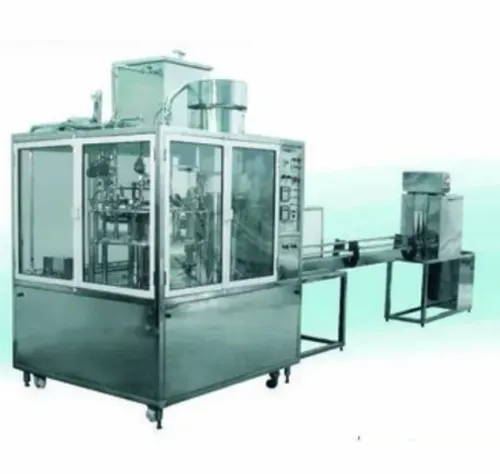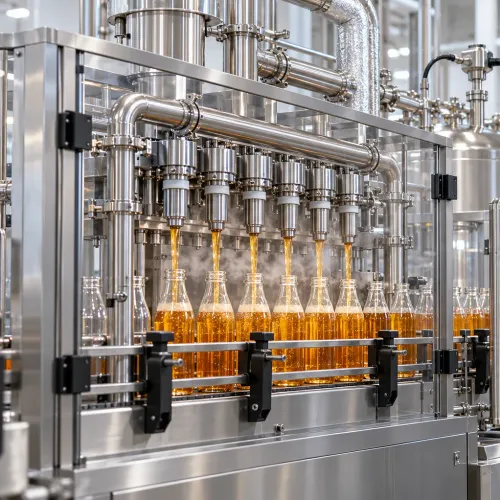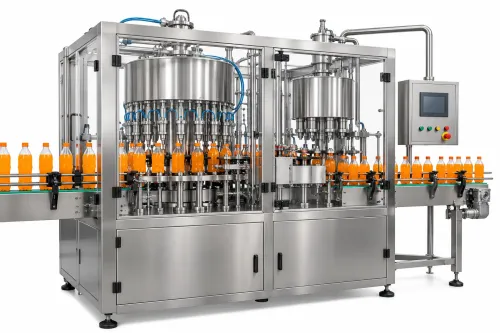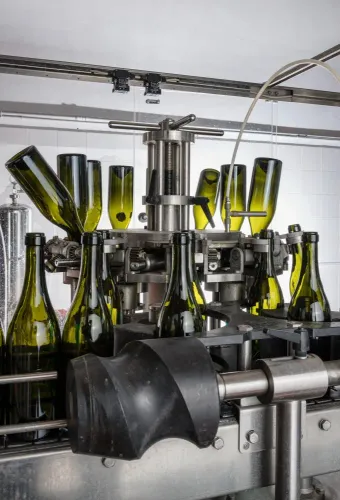
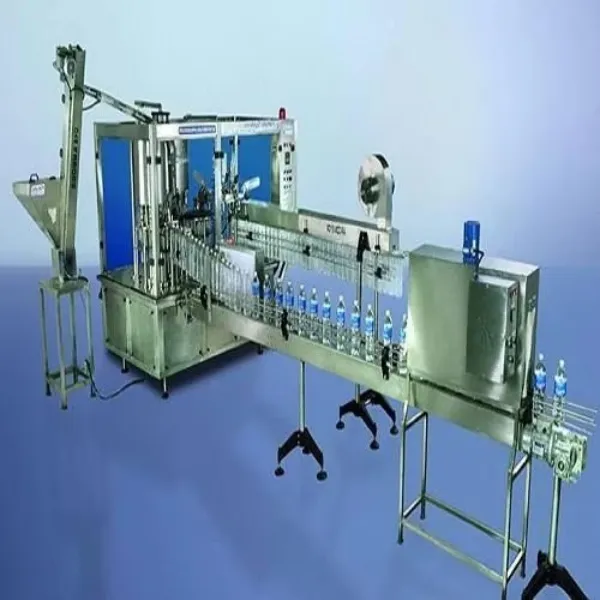
Speed, consistency, and hygiene are essential for every bottled water manufacturer. As production volumes increase, manual filling methods often struggle to maintain accuracy and efficiency. An Automatic Water Bottle Filling Machine provides a practical solution by automating the filling process while maintaining product quality across every bottle.
Growing demand for packaged drinking water throughout Maharashtra has encouraged many manufacturers to modernise their production facilities with automated filling technology that supports higher output and reliable performance.
Why Automation Matters in Bottle Filling
Water bottling requires more than simply filling containers. Every stage must ensure cleanliness, accurate fill levels, and smooth production flow.
Automation helps reduce common production challenges such as:
- Inconsistent filling volumes
- Product wastage
- Manual handling errors
- Production delays
- Labour dependency
- Contamination risks
These improvements allow manufacturers to achieve greater operational efficiency while maintaining quality standards.
How an Automatic Filling Machine Works
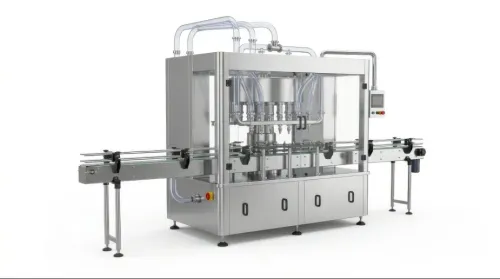
Most automatic filling systems operate through a synchronised production sequence.
The process generally includes:
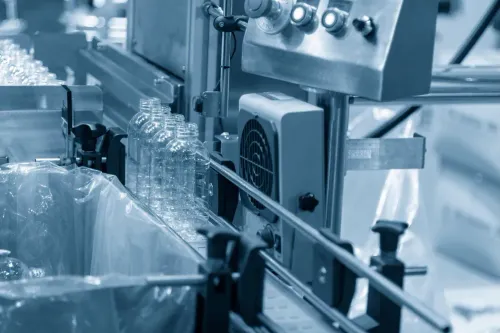
- Bottle feeding
- Positioning bottles accurately
- Filling with measured quantities
- Transferring bottles to capping
- Moving bottles toward packaging
Depending on production requirements, these operations may be integrated into a complete bottling line.
Advantages of Automated Filling
Modern filling systems offer several operational benefits.
These include:
- Higher production capacity
- Accurate filling levels
- Reduced product loss
- Improved hygiene
- Faster production cycles
- Lower manual intervention
- Consistent product quality
For manufacturers producing thousands of bottles each day, these advantages contribute to more efficient plant operations.
Selecting the Right Filling Capacity
Choosing the correct machine depends on production goals rather than purchasing the largest available equipment.
Important considerations include:
- Bottles per hour
- Bottle sizes
- Future expansion
- Available utilities
- Floor layout
- Maintenance accessibility
Matching equipment capacity with production demand helps maximise investment value.
Hygienic Construction Makes a Difference
Packaged drinking water production follows strict hygiene practices.
Reliable machines generally feature:
- Stainless steel contact parts
- Food-grade valves
- Corrosion-resistant construction
- Smooth internal surfaces
- Easy cleaning access
- Leak-resistant filling mechanisms
These characteristics help manufacturers maintain clean production environments.
Industries That Benefit
Although widely used in packaged drinking water facilities, automatic filling systems also support several beverage sectors.
Applications include:
- Mineral water
- Purified drinking water
- Flavoured water
- Juice beverages
- Dairy drinks
- Herbal beverages
- Functional beverages
Machine configurations may vary depending on product characteristics and production requirements.
Supporting Modern Bottling Operations
Manufacturers across Nashik continue investing in automation as demand for packaged beverages grows. Businesses evaluating bottling equipment often look for manufacturers with expertise in integrated beverage processing solutions. Shantanu Bottling Machine Pvt Ltd supplies Automatic Water Bottle Filling Machine systems designed to support efficient, hygienic, and scalable production environments.
Investing in automation is not simply about increasing speed. It is about building a production process that delivers consistent quality, reduces waste, and prepares manufacturers for future growth.
Keywords