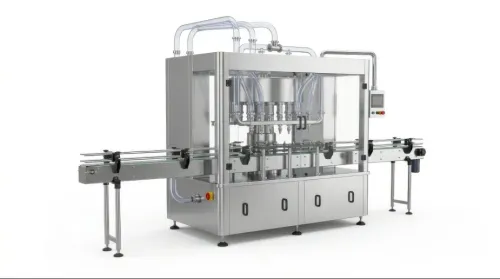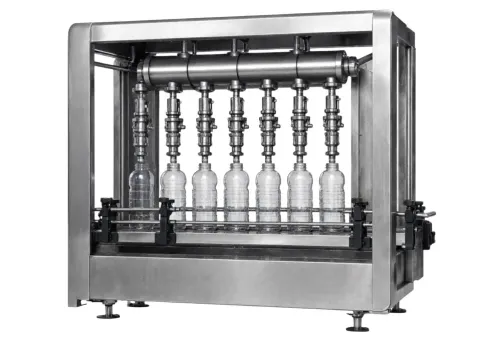
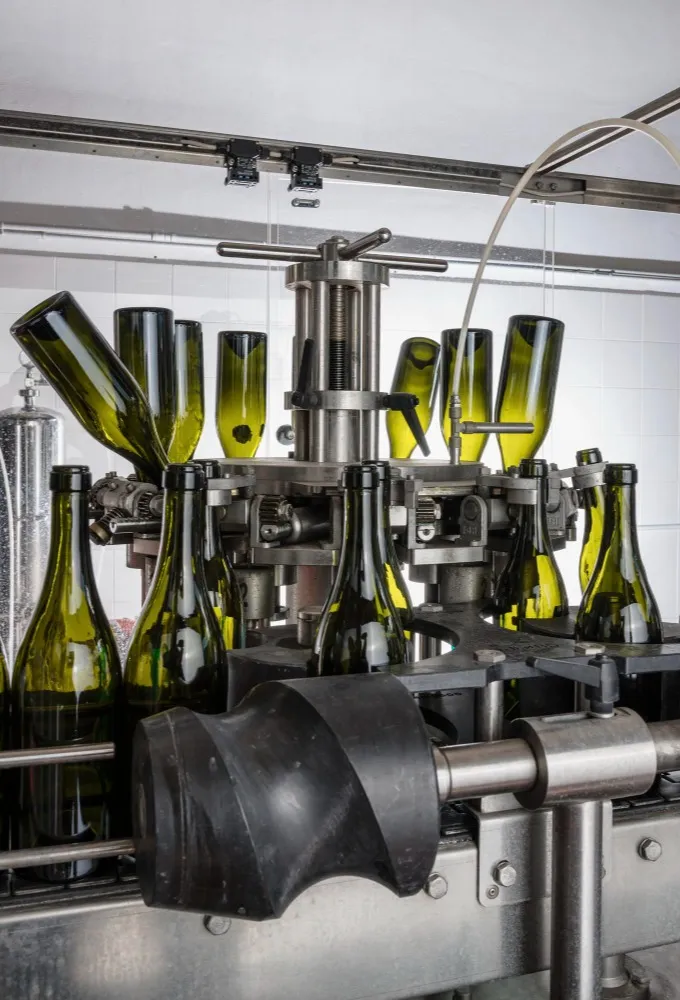
Wine bottling equipment has to support controlled filling while fitting the producer's bottle format, closure system, production scale, plus quality expectations. Buyers evaluating a Wine Filling Machine should therefore compare machines on more than filling speed.
The most useful evaluation begins with the actual bottling process.
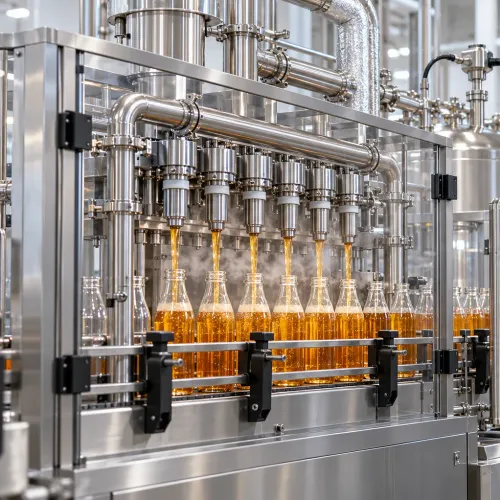
Examine Filling Consistency
Consistent bottle fill levels contribute to professional package presentation.
Variations may be noticeable when bottles are displayed together, making filling control an important consideration for wineries plus beverage businesses.
Ask suppliers how filling is controlled, what bottle characteristics influence performance, plus what operating adjustments may be required.
Review Bottle Compatibility
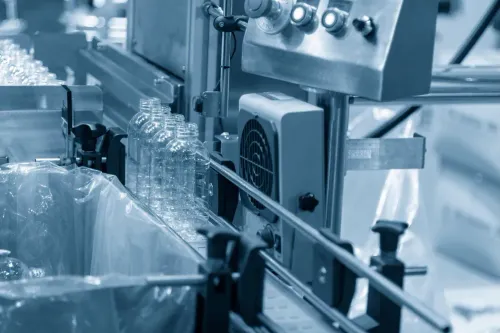
Wine bottles can vary in height, diameter, neck geometry, glass weight, plus shape.
A producer using several bottle designs should determine how the machine accommodates format changes. Ask about guide adjustments, filling-height settings, change parts, plus typical changeover procedures.
The goal is to understand how easily the equipment can move between planned packaging formats.
Evaluate Closure Integration
Filling cannot be assessed separately from the closure stage.
The chosen bottle closure affects downstream machinery requirements. Producers should document their closure specification before finalising the line so filling, conveying, plus closure equipment can be planned as one process.
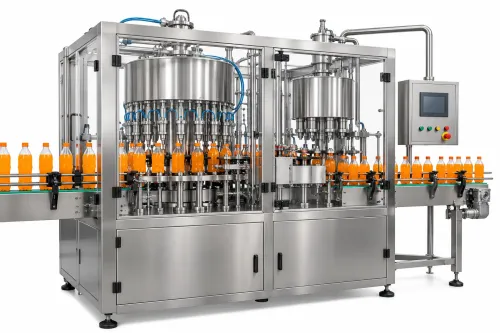
Compare Automation Levels
Production scale has a major influence on the appropriate automation level.
Smaller producers may prioritise flexibility plus manageable investment. Higher-output facilities may need continuous operation with reduced manual bottle handling.
When comparing options, estimate bottles required per shift rather than choosing equipment simply because it has a larger stated capacity.
Check Cleaning Accessibility
Cleaning is particularly important where equipment contacts a consumable beverage.
Buyers should inspect how accessible product-contact components are, what cleaning procedures are recommended, plus how the equipment can be prepared between production runs.
Clear operating procedures can reduce uncertainty for production staff.
Calculate the Real Production Requirement
A machine should be evaluated as part of the complete line.
If filling capacity substantially exceeds capping, labelling, or packing capacity, the extra speed may not translate into higher finished output.
Compare the capacities of each production stage before deciding where additional investment provides the most value.
Consider Technical Support
For beverage businesses in Nashik plus other parts of Maharashtra, access to machinery expertise can matter during installation plus later production changes.
A supplier should be able to explain machine configuration, commissioning requirements, operator responsibilities, maintenance expectations, plus relevant spare parts.
Shantanu Bottling Machine Pvt Ltd is one manufacturer based in Nashik serving bottling machinery requirements. Buyers considering any supplier should still evaluate the proposed equipment against their specific bottle, product, closure, plus capacity requirements.
A wine filling machine becomes a better investment when its capabilities match the real production process. Comparing technical compatibility, operating practicality, maintenance needs, plus line integration provides a stronger basis for purchase than comparing price or speed alone.
Keywords