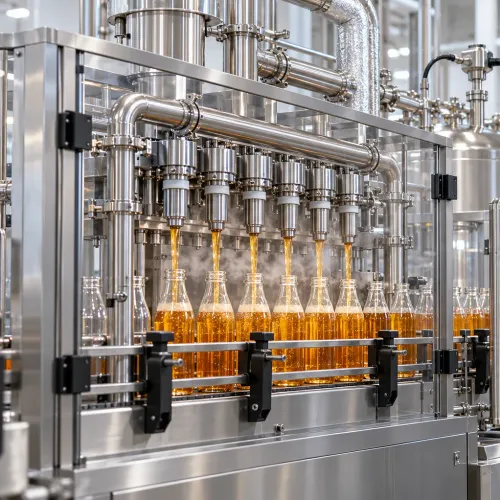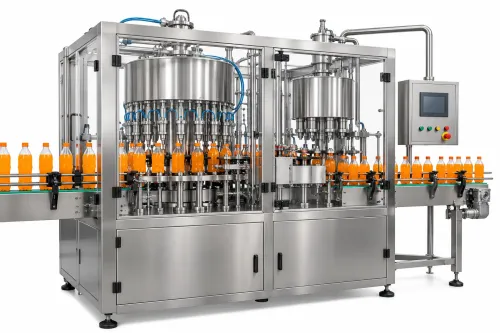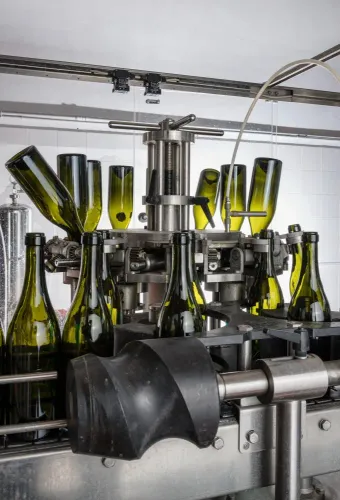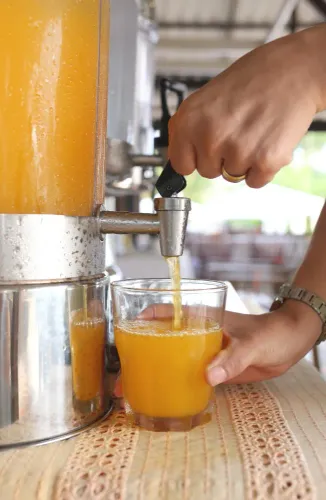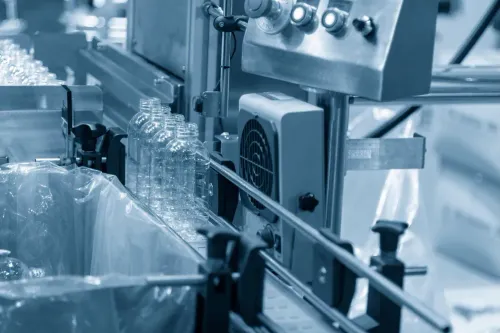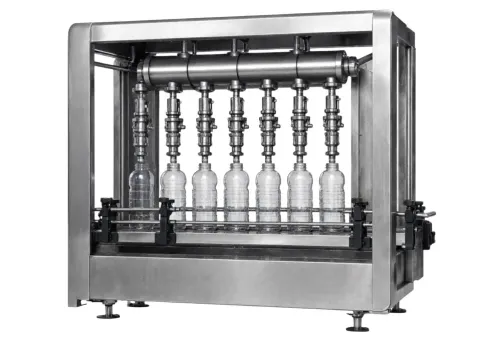
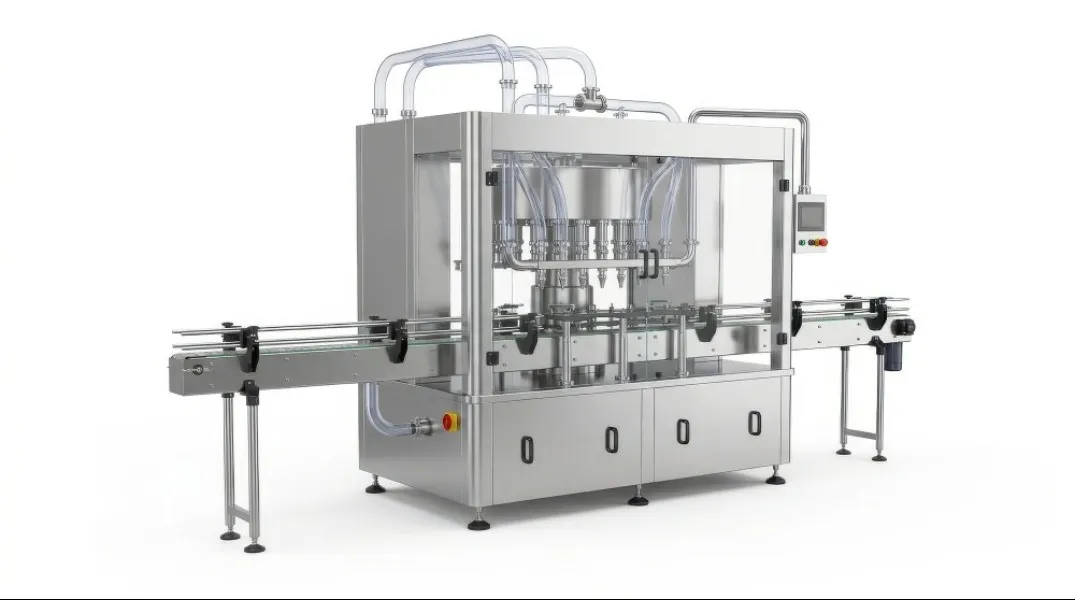
A Liquid Filling Machine transfers a measured quantity of liquid into bottles or other containers as part of a production process. Although the basic purpose sounds straightforward, filling equipment can differ significantly depending on the product, container, required speed, automation level, plus filling principle.
Understanding these differences is useful for packaged drinking water businesses, food processors, beverage manufacturers, chemical-product companies, plus other industrial buyers evaluating bottling machinery.
What Determines the Filling Method
Liquids do not all behave in the same way.
Water flows differently from thicker products. Foaming liquids may require controlled filling. Carbonated products need equipment capable of handling pressure-related requirements. Hot products introduce temperature considerations.
The filling method should therefore be selected according to the actual product rather than simply the bottle capacity.
Key Information Needed Before Selection
A machinery supplier will typically need technical details before recommending a suitable configuration.
Useful information includes:
- Product type
- Product viscosity
- Filling temperature
- Bottle capacity
- Bottle dimensions
- Neck dimensions
- Cap style
- Required production rate
- Number of bottle formats
- Available utilities
Providing samples of bottles, caps, plus the product itself may also help during machine evaluation or trials.
Automation Changes the Workflow
Filling equipment ranges from operator-assisted systems to highly automated production lines.
Lower-volume operations may use equipment where bottles are loaded, positioned, or removed manually. Larger production facilities may use conveyors plus automatic bottle-handling systems to maintain continuous movement.
Automation should reflect production requirements rather than being treated as a goal by itself.
A smaller plant with frequent product changes may value flexibility. A high-volume bottler may place greater emphasis on sustained throughput plus reduced manual handling.
Accuracy Matters at Every Scale
Consistent fill quantity contributes to quality control plus production economics.
Even modest overfilling can create unnecessary product loss when multiplied across thousands of bottles. Inconsistent filling can also affect package appearance.
Manufacturers should therefore understand how the proposed filling principle controls quantity plus what operating conditions influence accuracy.
Container Handling Deserves Attention
A machine may perform well with one bottle format but require adjustments when another format is introduced.
Bottle stability, shape, neck design, height, plus diameter affect handling through the filling area. Lightweight PET bottles can create different handling considerations from rigid containers.
Businesses planning multiple products should discuss changeover procedures before purchasing equipment.
Maintenance Should Be Part of Planning
Routine maintenance helps preserve machine performance.
Operators should understand cleaning schedules, inspection points, lubrication requirements where applicable, wear components, plus recommended preventive-maintenance practices.
Accessible machine design can make routine servicing easier for plant personnel.
For manufacturing businesses around Nashik plus other industrial regions of Maharashtra, availability of technical support can also be relevant when evaluating long-term machinery requirements.
Filling Is Only One Production Step
The filling machine should fit naturally into the broader bottling process.
Container preparation, product supply, capping, labelling, coding, inspection, conveying, plus final packaging all need compatible capacities.
Looking at the complete production flow provides a clearer picture of what filling equipment is actually required. It also helps prevent a common mistake: selecting an individual machine specification without considering how efficiently the entire line will operate.
Keywords