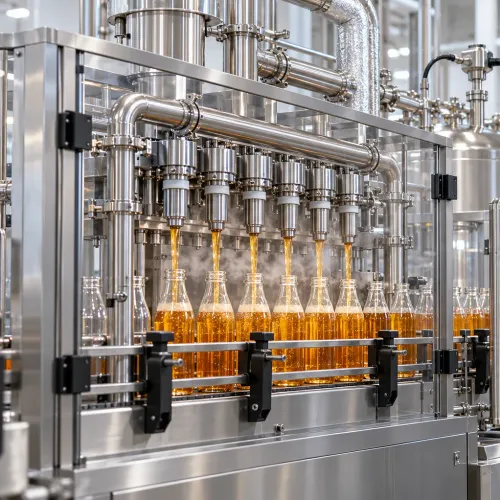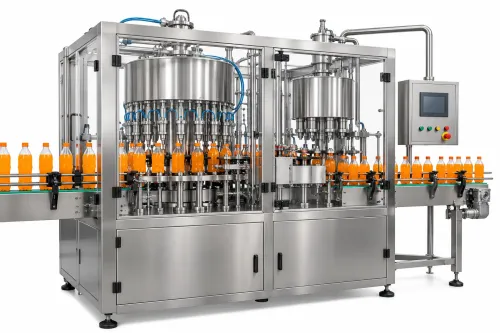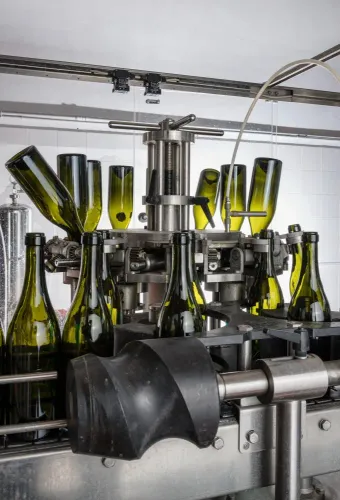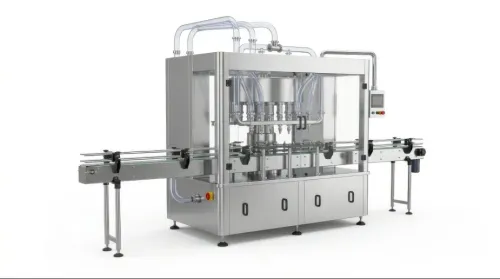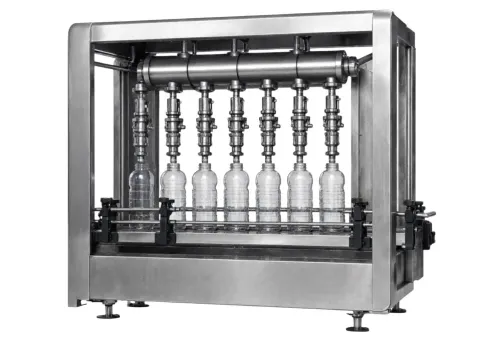
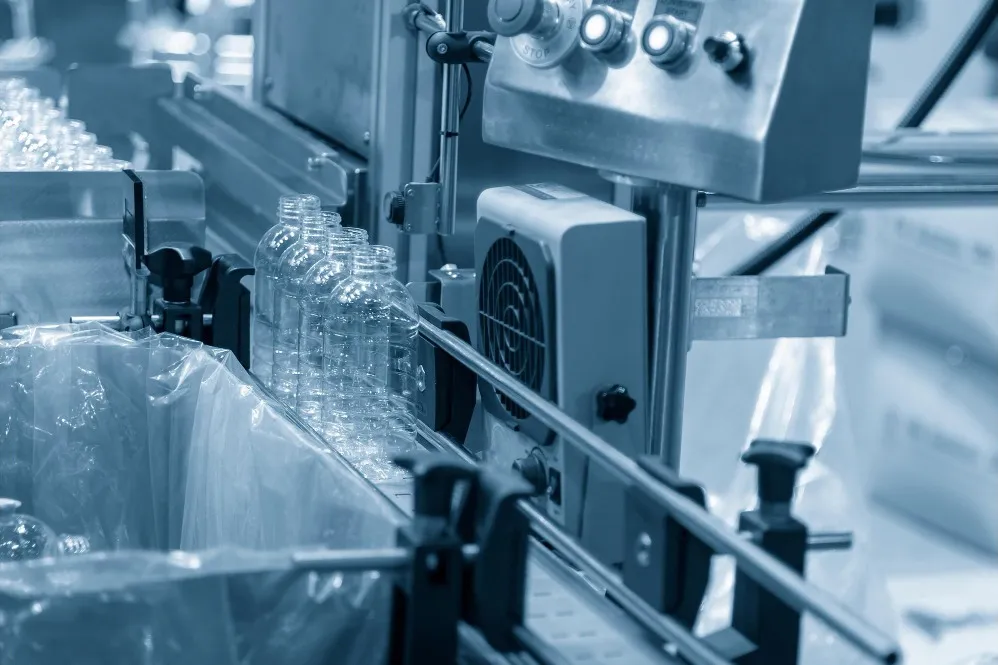
Setting up a packaged drinking water operation involves more than producing treated water. Once water is ready for packaging, bottles must move through a controlled sequence that can include rinsing, filling, capping, labelling, coding, plus final packing. A suitable Water Filling Machine becomes a central part of this workflow.
For new plants, capacity expansion projects, plus existing units upgrading machinery, proper planning can prevent mismatched equipment from becoming a production bottleneck.
Define the Bottle Range First
Start with the packages the plant intends to produce.
A facility may focus on a single bottle size or supply several formats for retail, hospitality, institutional, plus distribution requirements.
Document details such as:
- Bottle capacity
- Bottle height
- Bottle diameter
- Neck specification
- Bottle material
- Cap specification
- Planned number of SKUs
This information influences bottle handling plus changeover requirements.
Calculate Practical Production Demand
A plant should not select capacity based solely on an ambitious future sales estimate.
Consider current demand, expected growth, working hours, number of shifts, seasonal variation, maintenance downtime, plus distribution capability.
For example, a machine with a high nominal capacity provides limited benefit if downstream labelling or packaging equipment cannot keep pace.
The objective should be balanced production flow.
Examine the Complete Water Bottling Process
Filling is only one stage of packaged water production.
Depending on the plant design, the process may include water treatment, bottle preparation, rinsing, filling, capping, inspection, labelling, batch coding, shrink wrapping, plus secondary packaging.
Each stage needs sufficient capacity to support the next.
A layout should also allow sensible material movement without creating unnecessary crossing points or operator congestion.
Hygiene Requires Process Discipline
Water bottling equipment operates within a food-related production environment, making cleaning plus sanitation important operational considerations.
Buyers should examine product-contact components, accessibility for cleaning, drainage arrangements, material specifications, plus recommended sanitation procedures.
Machine hygiene should work together with appropriate plant-level practices rather than being considered separately.
Allow for Future Changes
A plant that starts with one bottle size may later introduce additional formats.
Before finalising machinery, buyers can ask what adjustments are required for different bottle heights, diameters, neck configurations, or capacities.
Understanding changeover requirements early helps businesses assess whether the machine fits their longer-term product strategy.
Consider Local Manufacturing Support
For packaged drinking water businesses operating in Nashik, Maharashtra, machinery support can influence long-term equipment planning.
Local or regionally accessible technical assistance may be useful for installation coordination, operator guidance, spare requirements, troubleshooting, plus future line modifications.
The practical value depends on the supplier's actual support capabilities, so buyers should clarify these details before purchase.
Plan the Line Around Real Operating Conditions
A successful water bottling setup depends on compatibility between machinery, utilities, packaging materials, workforce, plus available space.
Document the plant's bottle range, desired output, floor dimensions, power availability, water-processing arrangement, plus packaging requirements before requesting a final configuration.
This creates a stronger technical foundation for selecting a water filling system that fits the production environment instead of forcing the production environment to fit the machine.
Keywords