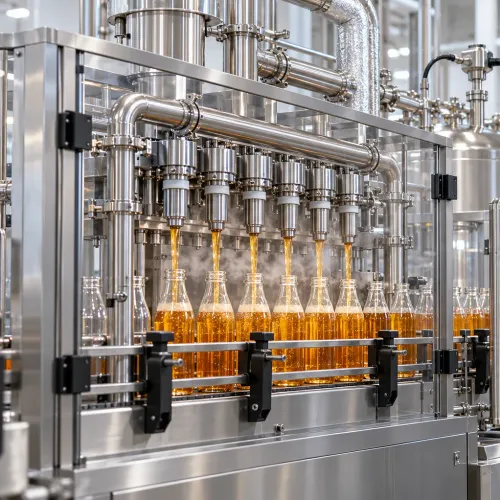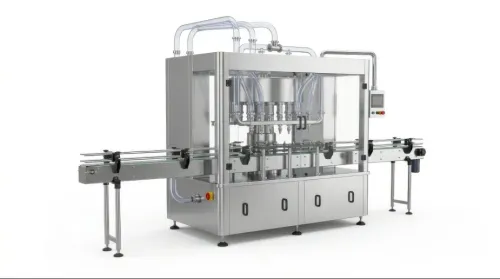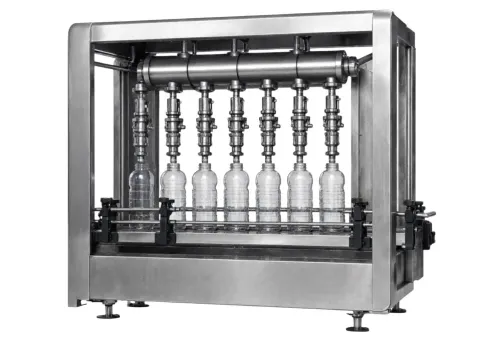
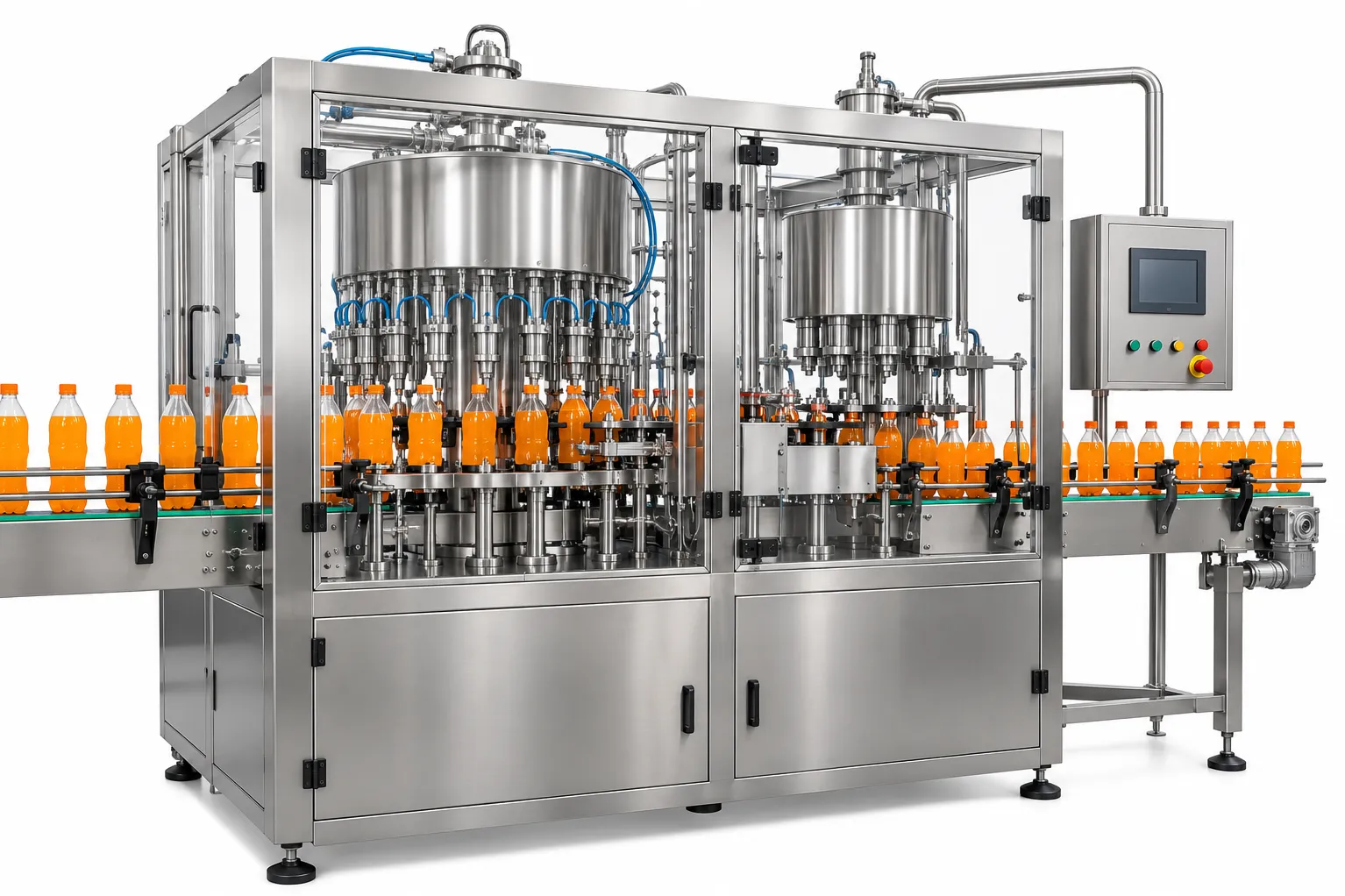
Carbonated soft drinks require careful handling because dissolved gas affects how the beverage behaves during filling. A CSD Filling Machine must therefore be evaluated with the carbonation process, product temperature, pressure conditions, container specifications, plus required production rate in mind.
For soft drink manufacturers planning new capacity or upgrading existing lines, understanding these factors can make equipment comparisons more meaningful.
Carbonation Changes Filling Requirements
A carbonated beverage is not handled in the same manner as still water.
Pressure plus temperature influence the behaviour of dissolved carbon dioxide. Filling equipment intended for carbonated soft drinks is designed around these process conditions.
Manufacturers should provide machinery suppliers with accurate product details rather than requesting a generic beverage filling machine.
Temperature Control Matters
Beverage temperature can influence carbonation behaviour during processing plus filling.
The complete system may therefore need coordinated product preparation, cooling, carbonation, filling, plus closure stages.
If these stages are designed independently without considering one another, stable production can become more difficult.
Bottle Specifications Need Early Confirmation
PET bottles used for carbonated beverages need suitable packaging characteristics for the intended application.
Machine designers need details such as bottle dimensions, neck configuration, fill volume, plus closure type.
When multiple bottle sizes are planned, buyers should also ask about changeover requirements plus the effect of different formats on production speed.
Filling Plus Capping Need Coordination
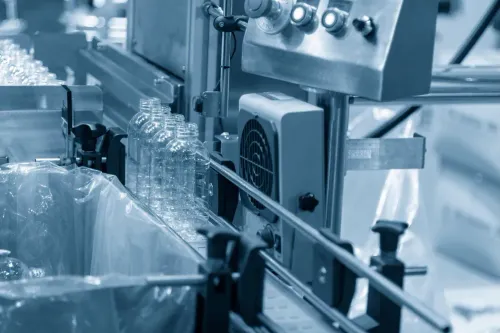
After filling, bottles need to move efficiently into the closure stage.
Delays, unstable bottle transfer, or poorly coordinated equipment can interrupt production. This is why buyers should examine the filling plus capping sections as connected stages within the line.
Conveyor speeds plus accumulation arrangements should also support smooth bottle movement.
Compare Output Realistically
Machine capacity figures are useful, but they need context.
Actual production can be influenced by:
- Bottle size
- Product conditions
- Changeovers
- Cleaning
- Packaging supply
- Operator practices
- Downstream equipment
- Planned maintenance
Instead of comparing only rated speed, ask what operating conditions are required to achieve the stated output.
Assess Expansion Possibilities
A soft drink manufacturer may initially produce a limited range before adding bottle sizes or flavours.
Equipment flexibility can therefore have long-term value.
Buyers should discuss expected future products during the initial technical consultation. This allows suppliers to identify limitations early rather than discovering them after installation.
Look at Complete Line Capability
Industrial buyers in Nashik, Maharashtra, may benefit from evaluating machinery suppliers based on their understanding of the full bottling process.
Shantanu Bottling Machine Pvt Ltd supplies bottling machinery from Nashik for beverage applications. When evaluating this company or another machinery provider, buyers should request a configuration based on their specific CSD process, bottles, caps, required capacity, plus plant conditions.
The best CSD filling setup is not necessarily the machine with the highest output figure. It is the system that can repeatedly handle the intended carbonated product while remaining compatible with upstream processing plus downstream packaging equipment.
Keywords