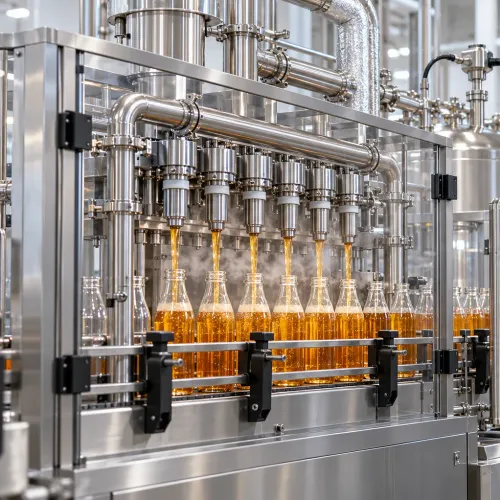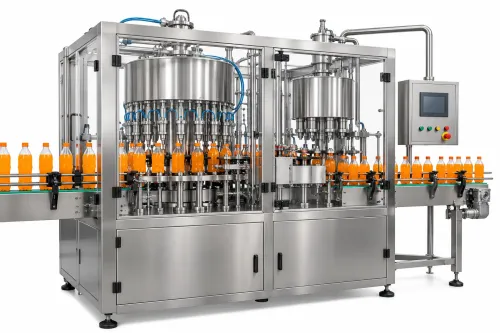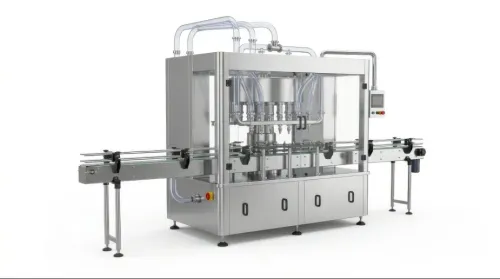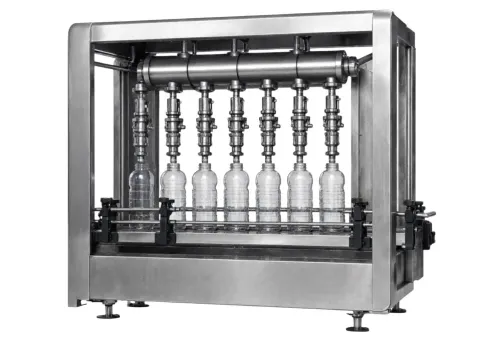
Juice bottling presents production considerations that can differ considerably from packaged water. Product consistency, temperature, pulp content, foaming behaviour, bottle type, plus cleaning requirements can all influence equipment selection. A Juice Filling Machine should therefore be chosen around the characteristics of the actual product.
This is especially important for processors producing fruit beverages, juice drinks, flavoured products, concentrates, plus related packaged beverages.
Product Characteristics Come First
Not every juice has the same flow properties.
Some beverages are relatively thin. Others contain pulp or suspended particles. Certain formulations may be filled at elevated temperatures depending on the process design.
Before evaluating machinery, manufacturers should document:
- Product viscosity
- Pulp content
- Particle size where relevant
- Filling temperature
- Foaming characteristics
- Bottle capacity
- Required output
These details help determine the suitable filling approach.
Temperature Can Influence Equipment Choice
Some beverage processes use hot filling as part of the packaging sequence.
When elevated filling temperatures are involved, machine components, piping, seals, container material, plus associated handling arrangements need to suit the process conditions.
The packaging itself must also be appropriate for the intended temperature.
Manufacturers should therefore evaluate the filling machine as part of the total process rather than treating temperature as an isolated specification.
Pulp Requires Special Attention
Juices containing pulp may behave differently from clear beverages.
Particle size plus concentration can affect product movement through filling components. A machine suitable for a clear fruit drink may not automatically be suitable for a pulpy formulation.
Providing representative product samples during technical discussions can help machinery suppliers understand the application more accurately.
Changeovers Affect Multi-Flavour Production
Many juice manufacturers produce multiple flavours using shared equipment.
This makes product changeover an important operational consideration. The facility needs practical procedures for removing residual product, cleaning contact surfaces, preparing the system, plus restarting production.
Frequent changeovers can affect daily production capacity, so manufacturers should include this time when estimating realistic output.
Packaging Must Match the Process
Bottle design affects more than shelf appearance.
Container material, neck dimensions, bottle rigidity, closure type, plus fill temperature can influence machinery requirements.
A new juice producer should ideally finalise key packaging specifications before ordering production equipment. Changing bottle geometry later may require machine adjustments or additional change parts.
Production Planning Matters Locally
Food plus beverage processors in Nashik, Maharashtra, operate within a region that has significant agricultural plus industrial activity. For juice businesses sourcing fruits or processing seasonal products, production requirements can fluctuate during the year.
Machinery capacity should therefore be considered alongside raw-material availability, storage, processing capability, packaging supply, plus distribution plans.
Build the Process Around the Product
A juice filling project should begin with the beverage formulation plus production method.
Once product behaviour, temperature, packaging, required output, plus cleaning expectations are understood, it becomes easier to identify suitable machinery.
This product-first approach helps manufacturers avoid selecting equipment based only on bottle capacity or advertised production speed. It also creates a better foundation for building a filling line that can handle the realities of everyday juice production.
Keywords