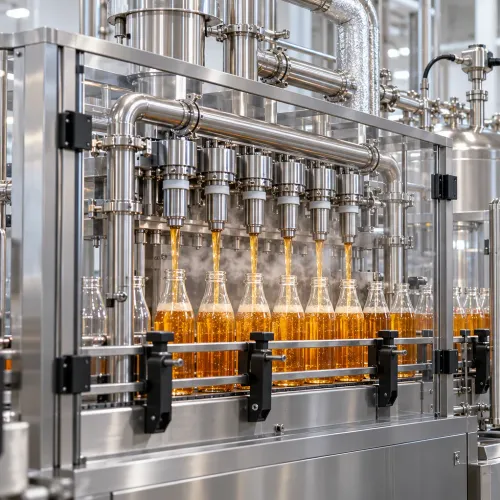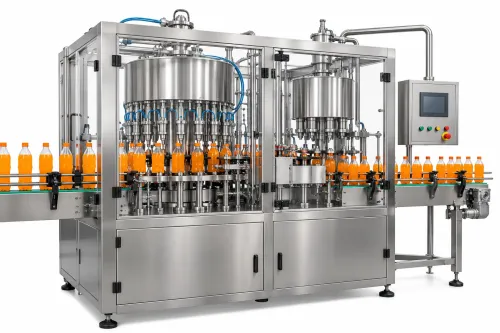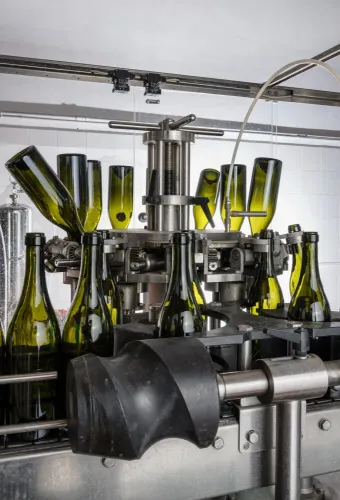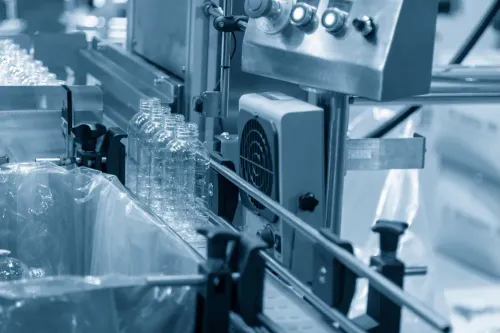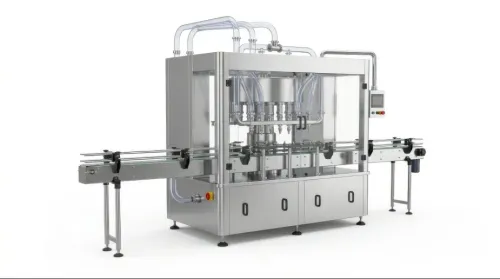
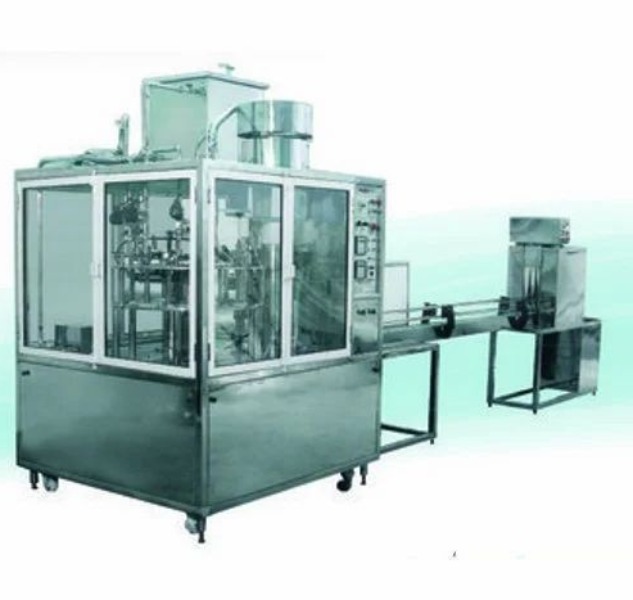
Moving from labour-intensive filling to an Automatic Filling Machine can change the way a bottling plant operates. Automation can support continuous bottle movement, more structured production, consistent filling, plus better integration with capping, conveying, labelling, plus packaging equipment.
However, automatic machinery creates the greatest value when production volume plus operational requirements justify the investment.
Identify the Production Bottleneck
Before upgrading, determine what currently limits output.
The problem may be slow filling, manual bottle loading, inconsistent capping, frequent stoppages, or downstream packing limitations.
Replacing only the filling stage will not necessarily solve a bottleneck elsewhere.
A simple production audit can reveal where time is being lost during each shift.
Look for Repetitive Manual Handling
High levels of repetitive bottle handling can be a sign that greater automation deserves consideration.
Automatic systems can reduce the number of manual interventions required during normal production. This may allow operators to focus more on material supply, quality checks, machine supervision, plus packaging.
The actual labour impact depends on the complete line configuration.
Check Demand Stability
Automation is easier to justify when production demand is sufficiently consistent.
A business running occasional small batches may have different requirements from a bottler operating several hours every day.
Estimate monthly production, average batch size, seasonal peaks, shift patterns, plus expected growth before selecting capacity.
Consider Packaging Standardisation
Automatic machinery generally performs most efficiently when packaging specifications are controlled.
Frequent changes in bottle shape, height, diameter, neck size, or cap format may require adjustments or change parts.
Companies with multiple SKUs should calculate how much production time is spent on changeovers.
Think in Terms of Total Cost
Purchase price is only one element of machinery economics.
An investment assessment can include labour utilisation, product wastage, filling consistency, output, maintenance, power consumption, downtime, plus future production requirements.
This provides a more useful picture of potential return than simply comparing the price of automatic equipment with a manual process.
Verify Line Compatibility
Automatic filling should be coordinated with the rest of the bottling line.
The capper, conveyors, labeller, coder, inspection points, plus packaging equipment should be capable of handling the expected output.
Otherwise, bottles may simply accumulate after the faster machine.
Know When an Upgrade Is Practical
Businesses in Nashik, Maharashtra, may consider greater automation when existing production is approaching capacity, labour handling is becoming difficult, demand is increasing, or more consistent throughput is required.
Shantanu Bottling Machine Pvt Ltd manufactures bottling machinery for various filling plus packaging requirements. When assessing an automatic filling system from this company or another provider, buyers should share current output data plus future capacity expectations.
Automation should solve a defined production requirement. When equipment capacity, packaging formats, line balance, maintenance capability, plus sales demand are aligned, an automatic filling machine can become a practical step in scaling bottling operations.
Keywords