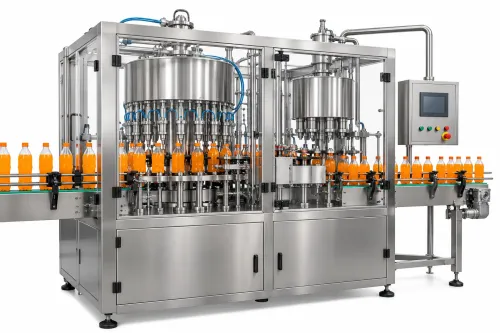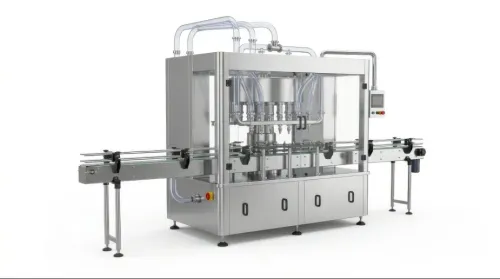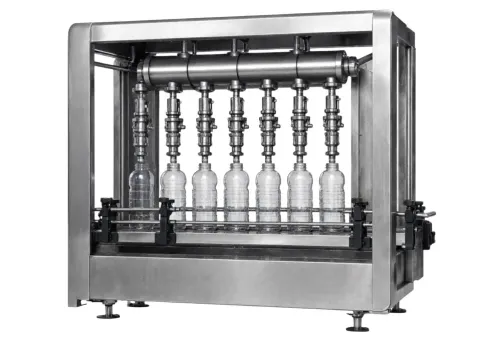
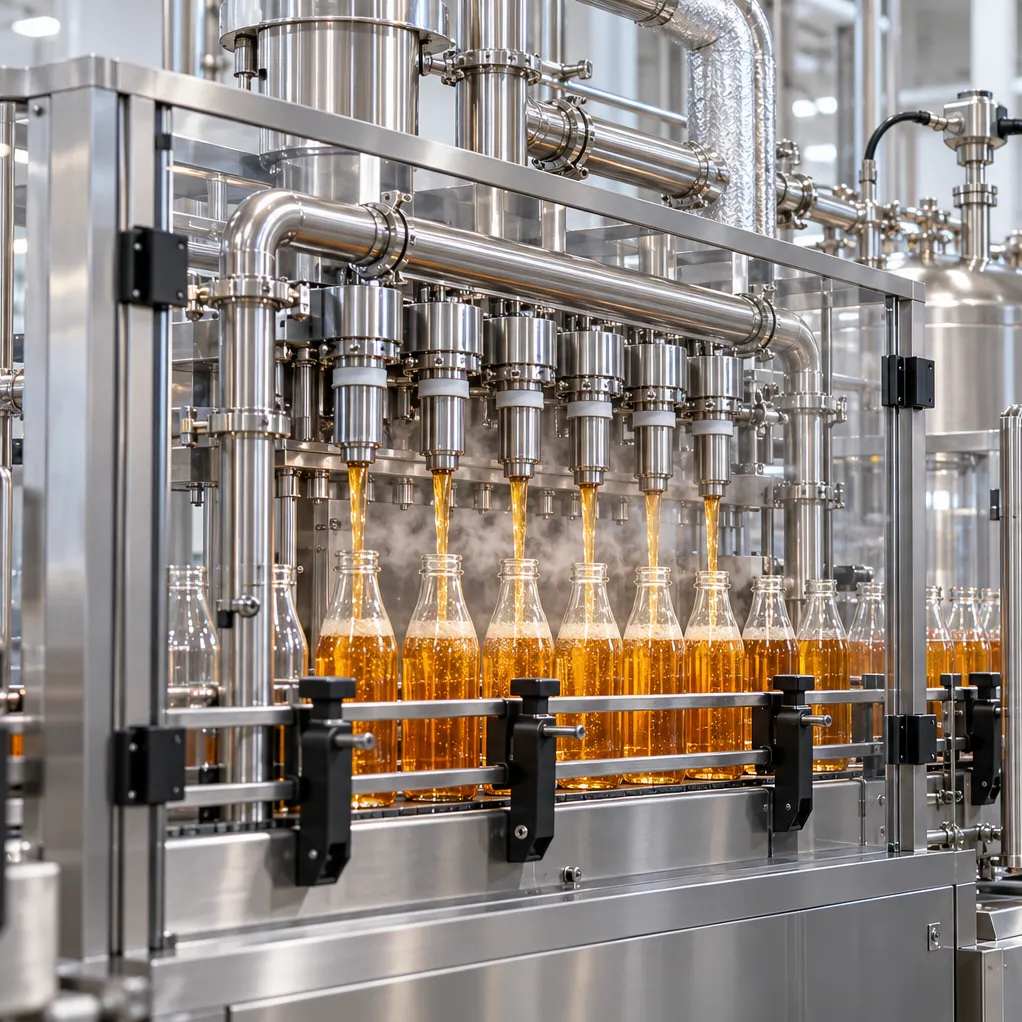
Hot filling is used in selected beverage plus liquid-food applications where the product enters the container at an elevated temperature as part of the production process. Selecting a Hot Filling Machine requires attention to temperature, container suitability, product characteristics, machine materials, plus the stages that follow filling.
Businesses considering this technology should first confirm whether hot filling is appropriate for their product plus packaging process.
Understand the Intended Product
The first question is not how fast the machine runs. It is what the machine will fill.
Product viscosity, acidity, pulp content, processing temperature, plus other formulation characteristics can influence equipment requirements.
A clear beverage may require different handling from a pulpy product. Manufacturers should provide accurate product information before requesting a machine configuration.
Check Container Heat Suitability
Packaging must tolerate the intended filling conditions.
The bottle material, wall construction, neck finish, closure, plus overall container design should be suitable for the process temperature.
A filling machine cannot compensate for packaging that is unsuitable for the intended thermal conditions.
Testing representative containers under actual production conditions can therefore be valuable before full-scale implementation.
Examine Product-Contact Components
Elevated-temperature processing places specific demands on product-contact areas.
Buyers should ask about construction materials, seals, piping, valves, plus other components exposed to the product.
The equipment should be selected for the actual operating temperature rather than a general liquid-filling application.
Review Cleaning Procedures
Products filled at elevated temperatures may leave residues depending on their formulation.
Cleaning accessibility plus appropriate sanitation procedures therefore deserve attention.
Manufacturers should understand which components require routine cleaning, how the filling circuit is accessed, plus what procedures the machinery manufacturer recommends.
Check Downstream Bottle Handling
The process does not end when the bottle leaves the filling station.
Capping, conveying, cooling where applicable, labelling, coding, plus packing need to suit the product plus container conditions.
Bottle stability can also change when containers are exposed to heat, so downstream handling should be evaluated during line planning.
Estimate Cost Through Complete Production
Price comparisons should include more than the filling machine purchase cost.
Businesses can evaluate:
- Required production capacity
- Utility requirements
- Changeover time
- Cleaning time
- Maintenance needs
- Labour involvement
- Packaging compatibility
- Expected operating schedule
This creates a more realistic view of equipment suitability.
For beverage processors in Nashik plus other manufacturing locations across Maharashtra, working with a machinery company that understands filling plus packaging integration can simplify project planning.
Shantanu Bottling Machine Pvt Ltd can be considered when evaluating bottling equipment for defined applications. A buyer should provide product samples, temperature details, bottle specifications, closure information, plus expected output so the proposed system can be assessed against real operating conditions.
A properly planned hot filling project starts with process compatibility. Machine capacity becomes meaningful only after the product, packaging, temperature, plus complete production sequence have been clearly defined.
Keywords