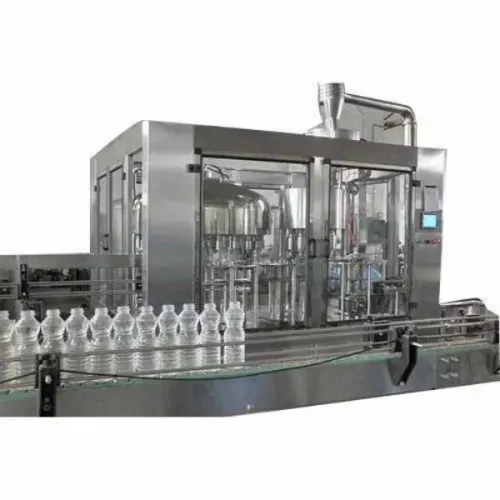

Investing in a Beverage Filling Machine is more than purchasing equipment—it's a decision that affects production efficiency, product quality, operating costs, and future business growth. Whether you manufacture packaged drinking water, fruit juices, carbonated beverages, dairy drinks, or functional beverages, selecting the right filling system requires careful evaluation.
Many businesses compare machines based on speed or price alone, but these factors do not always determine long-term value. Asking the right questions before making a purchase can help manufacturers choose equipment that aligns with their production goals and supports future expansion.
Why Choosing the Right Filling Machine Matters
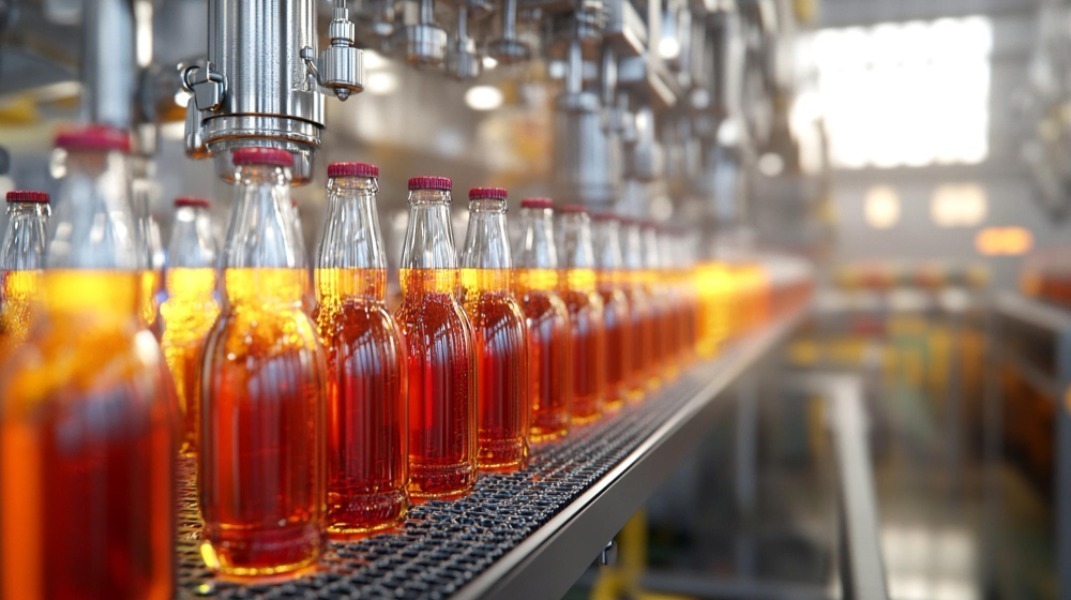
A beverage filling machine is at the heart of every bottling line. It influences:
- Production capacity
- Filling consistency
- Product hygiene
- Packaging quality
- Labour efficiency
- Maintenance costs
- Overall operational productivity
A machine that matches your manufacturing requirements can improve workflow while reducing unnecessary downtime and product wastage.
1. What Is My Current and Future Production Capacity?
Many manufacturers purchase equipment based only on present demand. However, if production increases within a few years, the machine may no longer meet operational requirements.
Estimate:
- Bottles per hour
- Daily production
- Seasonal demand
- Planned business expansion
Choosing equipment with additional production capacity often provides better long-term value.
2. Which Types of Beverages Will Be Filled?
Different beverages require different filling technologies.
For example:
- Packaged drinking water
- Carbonated soft drinks
- Fruit juices
- Dairy beverages
- Energy drinks
- Functional beverages
- Syrup-based drinks
The viscosity, carbonation level, and filling temperature all influence machine selection.
3. Will the Machine Handle Multiple Bottle Sizes?
Many manufacturers expand their product range over time.
A flexible Beverage Filling Machine should support different:
- Bottle capacities
- Bottle shapes
- Neck diameters
- Packaging formats
Quick changeover between bottle sizes reduces production delays and improves operational flexibility.
4. How Accurate Is the Filling System?
Consistent fill levels improve product presentation while reducing product loss.
Modern filling machines use precision filling valves and automated controls to maintain accuracy throughout long production runs.
This helps improve both efficiency and customer satisfaction.
5. Is the Machine Easy to Clean?
Food and beverage manufacturing requires strict hygiene standards.
Look for machines that feature:
- Food-grade stainless steel
- Smooth internal surfaces
- Easy access for cleaning
- Hygienic pipework
- Efficient drainage systems
Simplified cleaning reduces maintenance time while supporting product safety.
6. Can It Integrate with Existing Equipment?
Most manufacturers already operate parts of a production line.
Ensure the filling machine integrates with:
- Bottle rinsing machines
- Capping systems
- Labelling equipment
- Conveyor systems
- Bottle packaging machines
Smooth integration improves overall production efficiency.
7. What Level of Automation Is Needed?
Automation requirements vary depending on production scale.
Businesses should evaluate whether they need:
- Semi-automatic systems
- Fully automatic production lines
- Integrated bottling solutions
Higher automation often supports better productivity while reducing manual intervention.
8. What Maintenance Will Be Required?
Routine servicing helps maintain machine performance.
Before purchasing, ask about:
- Preventive maintenance schedules
- Spare parts availability
- Component accessibility
- Technical documentation
- Operator training
Machines designed for easy maintenance generally experience less downtime.
9. Is Technical Support Available?
Reliable after-sales support is an important consideration.
Manufacturers should confirm:
- Installation assistance
- Commissioning support
- Training services
- Technical troubleshooting
- Spare parts supply
Strong support helps maintain uninterrupted production over the equipment's lifecycle.
10. Will the Machine Support Future Growth?
Production requirements often evolve.
Choosing a machine that can be upgraded or expanded allows businesses to adapt without replacing the entire production line.
Scalable equipment provides better long-term operational value.
Making an Informed Investment
Manufacturers in Nashik and across Maharashtra continue to modernise beverage production with automated bottling technologies that improve consistency and efficiency. As competition grows, investing in the right Beverage Filling Machine can help businesses streamline production while preparing for future expansion.
Before finalising a purchase, many manufacturers evaluate engineering quality, machine reliability, automation features, customisation options, and after-sales support. Shantanu Bottling Machine Pvt Ltd manufactures beverage filling equipment for a wide range of production requirements, enabling businesses to develop bottling lines that combine precision, efficiency, and dependable long-term performance.