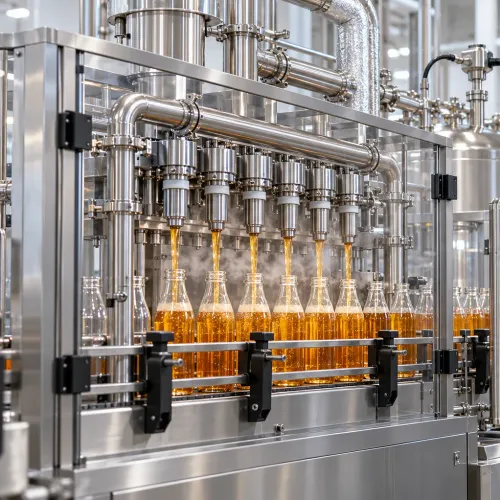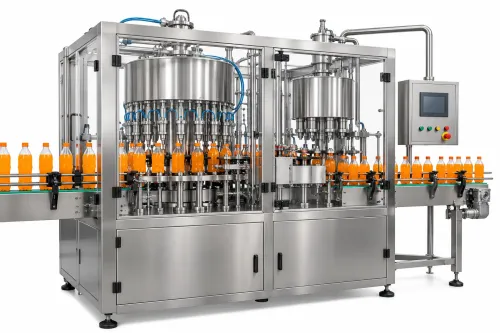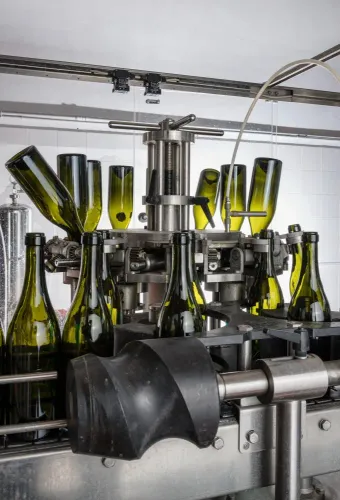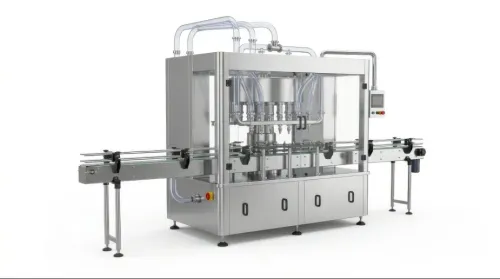
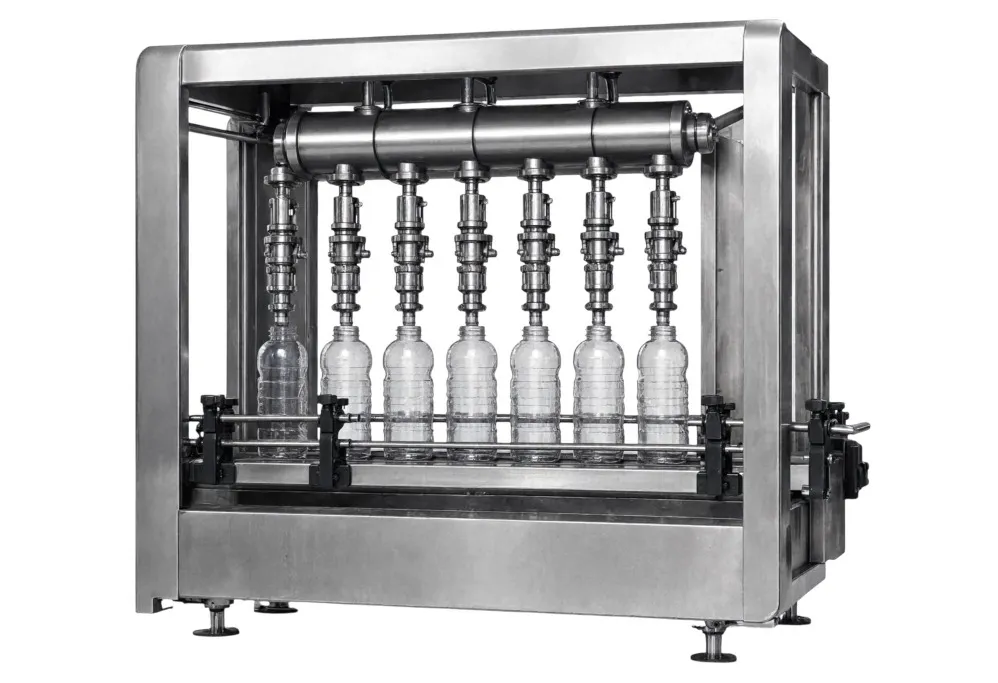
Beverage production depends heavily on consistency. Whether a facility handles packaged water, flavoured drinks, carbonated beverages, juices, dairy-based beverages, or other liquid products, the filling stage affects production speed, product presentation, hygiene, wastage, plus overall line efficiency. Choosing a suitable Beverage Filling Machine therefore requires more than simply comparing machine capacities.
Manufacturers should begin by examining the characteristics of the beverage itself. Different products behave differently during filling. A thin, non-carbonated liquid may require a different filling principle from a carbonated drink, pulpy juice, or temperature-sensitive beverage.
Start With the Beverage Characteristics
Product properties influence the type of filling technology required. Important considerations include:
- Liquid viscosity
- Product temperature
- Carbonation level
- Presence of pulp or particles
- Foaming tendency
- Required filling accuracy
- Hygiene requirements
- Bottle material
A filling system designed for still water should not automatically be assumed suitable for every beverage category.
Match Capacity With Actual Production
Production capacity is another important consideration. Buyers sometimes focus on the highest possible bottles-per-hour figure without considering their upstream plus downstream equipment.
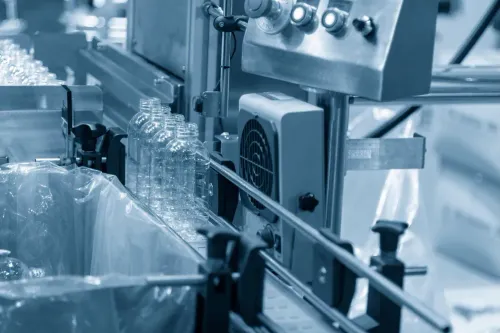
The practical output of a bottling line depends on the complete production sequence. Bottle feeding, rinsing, filling, capping, labelling, coding, inspection, plus packing all influence actual throughput.
A balanced line is generally more useful than one extremely fast machine surrounded by slower equipment.
Consider Bottle Formats Early
Bottle dimensions can affect machine configuration.
A beverage company planning to fill multiple bottle sizes should identify its present container range plus possible future formats before finalising equipment. Bottle diameter, height, neck design, cap type, plus material can influence handling arrangements.
Changeover requirements also deserve attention when several SKUs are produced on the same line.
Filling Accuracy Influences Product Cost
Small differences in fill quantity can become financially significant across high production volumes.
Excess filling increases product giveaway. Underfilling may create quality-control concerns. Reliable filling therefore contributes to both product consistency plus cost control.
Buyers should discuss expected fill accuracy based on their actual beverage, container, production conditions, plus machine configuration rather than relying on a general specification alone.
Plan for Cleaning Requirements
Food plus beverage machinery must support suitable cleaning practices.
Areas that come into contact with the product should be considered carefully when evaluating a filling machine. Buyers should understand how product-contact components are accessed, cleaned, inspected, plus maintained.
This becomes particularly important when changing between beverage varieties.
Think Beyond the Filling Station
A beverage filling machine is usually one part of a larger production system.
Businesses in Nashik, Maharashtra, may need to coordinate filling equipment with rinsing, capping, conveying, labelling, packaging, water treatment, beverage preparation, plus related plant equipment.
Planning these requirements together can reduce avoidable integration difficulties later.
Evaluate the Application Before the Machine
The right equipment begins with a clearly defined application.
Before requesting a machine specification, prepare information about the beverage, bottle, cap, required output, available floor space, utility availability, plus future production plans.
A well-defined requirement gives machinery manufacturers a stronger basis for recommending an appropriate filling configuration. This approach also helps beverage businesses compare proposals on meaningful technical factors instead of focusing only on machine size or headline production speed.
Keywords