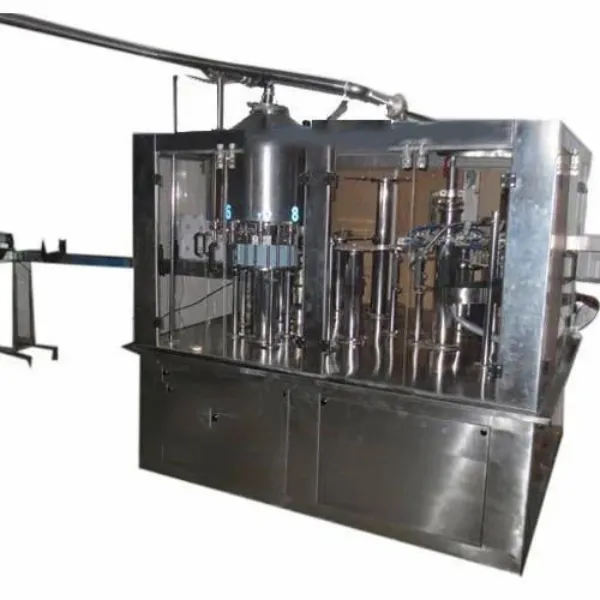
The bottled water industry has grown steadily over the past decade, driven by increasing consumer demand for safe, hygienically packed drinking water. As production volumes rise, manufacturers require equipment that delivers speed, consistency, and precision without compromising product quality. A Water Bottle Filling Machine forms the backbone of every modern bottled water production line.
From small-scale packaged water units to high-capacity commercial plants, selecting the right filling machine directly influences productivity, operational efficiency, and product consistency.
What Is a Water Bottle Filling Machine?
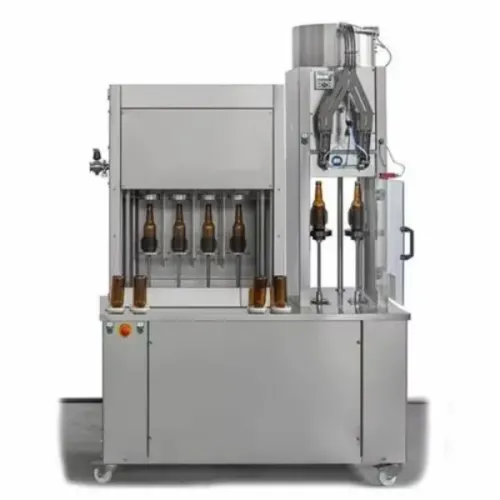
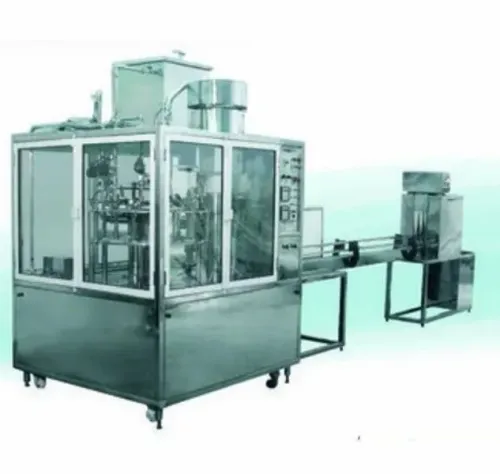
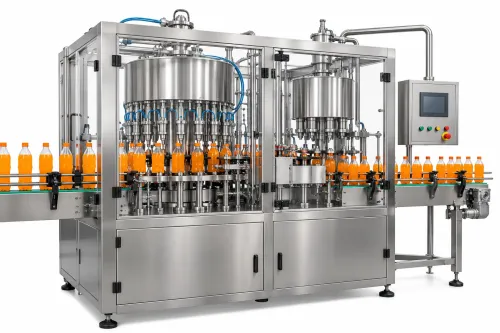
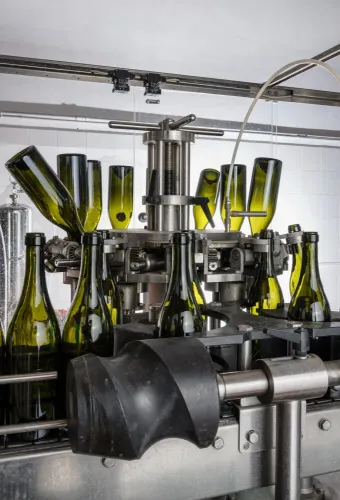
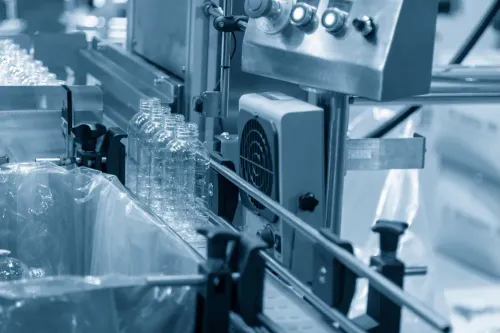
A Water Bottle Filling Machine is an automated system designed to fill bottles with purified or mineral water in a controlled and hygienic manner. Depending on production requirements, these machines may also integrate rinsing and capping functions to create a seamless bottling process.
The automation reduces manual handling, improves filling accuracy, and supports continuous production.
These machines are commonly used for:
- Packaged drinking water
- Mineral water
- RO water
- Distilled water
- Alkaline water
- Flavoured drinking water
Regardless of the product, the objective remains the same—deliver clean, accurately filled bottles ready for packaging.
Why Automation Matters in Water Bottling
Manual filling methods can create several operational challenges, including inconsistent fill levels, slower production, and higher contamination risks.
Automated filling systems help overcome these issues by offering:
- Uniform filling accuracy
- Higher production speed
- Better hygiene control
- Reduced labour dependency
- Lower product wastage
- Improved production monitoring
As customer expectations and regulatory standards continue to evolve, automation has become an important investment for water bottling businesses.
How the Filling Process Works
Although machine designs vary, most automated systems follow a similar sequence.
- Empty bottles enter the production line.
- Bottles are rinsed to remove dust or contaminants.
- Bottles move to the filling station.
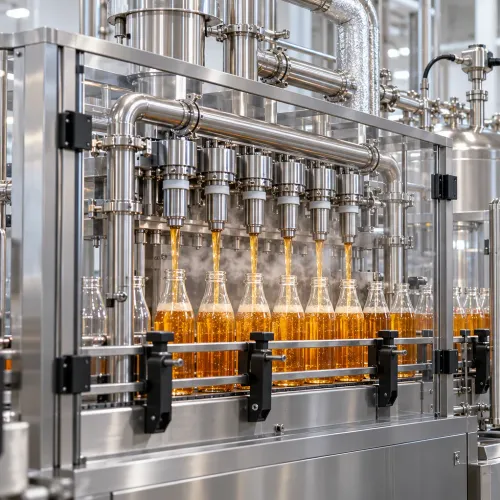
- Water is dispensed at controlled volumes.
- Filled bottles proceed to automatic capping.
- Bottles continue to labelling and packaging.
Each stage is synchronised to ensure continuous production without unnecessary delays.
Features to Look for in a Water Bottle Filling Machine
Choosing the right machine involves evaluating both current and future production requirements.
Important features include:
Precision Filling Technology
Consistent fill levels help reduce product wastage and improve packaging quality.
Food-Grade Stainless Steel Construction
Corrosion-resistant materials support hygiene and simplify machine cleaning.
Multiple Bottle Size Compatibility
Machines capable of handling different bottle capacities provide greater production flexibility.
Automated Controls
Touchscreen interfaces and programmable settings simplify machine operation while improving production monitoring.
Low Maintenance Design
Efficient machine design reduces downtime and lowers long-term operating costs.
Integrated Rinsing and Capping
Machines that combine multiple processes improve workflow while reducing floor space requirements.
Industries That Use Water Bottle Filling Machines
Beyond packaged drinking water plants, these machines support several industries.
Applications include:
- Commercial water bottling units
- Hospitality businesses
- Beverage manufacturers
- Pharmaceutical water production
- Food processing industries
- Institutional water packaging
- Private-label bottled water production
The ability to maintain hygiene while producing large volumes makes automated systems suitable for businesses of various sizes.
Selecting the Right Machine
Before making an investment, manufacturers should consider:
- Production capacity per hour
- Bottle material compatibility
- Bottle sizes
- Plant layout
- Automation requirements
- Maintenance accessibility
- Utility consumption
- Expansion possibilities
Carefully evaluating these factors helps businesses choose equipment that remains efficient as production requirements grow.
Supporting Growth Through Reliable Bottling Equipment
Industrial hubs such as Nashik, along with other manufacturing regions across Maharashtra, continue to see increasing demand for packaged water and efficient production systems. Businesses investing in reliable filling equipment can improve operational consistency while preparing for future market growth.
Manufacturers often evaluate machine durability, production efficiency, and technical support before selecting equipment for their facilities. Companies including Shantanu Bottling Machine Pvt Ltd develop water bottling solutions for a wide range of production capacities, enabling businesses to build packaging lines that support quality, efficiency, and long-term operational performance.
Keywords