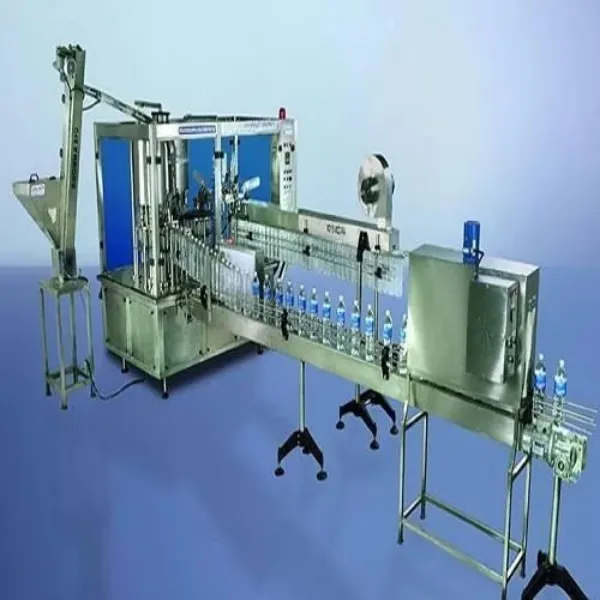
The bottled water industry has become increasingly competitive, with manufacturers expected to deliver high-quality products while maintaining production speed and operational efficiency. Manual bottling methods can no longer meet the demands of large-scale production, which is why many businesses are investing in an Automatic Water Bottle Filling Machine to streamline operations.
Automation not only improves productivity but also helps maintain hygiene, reduce product wastage, and ensure every bottle meets consistent quality standards. Whether you are expanding an existing plant or setting up a new bottling facility, understanding the advantages of automated filling technology can help you make a more informed investment.
What Is an Automatic Water Bottle Filling Machine?
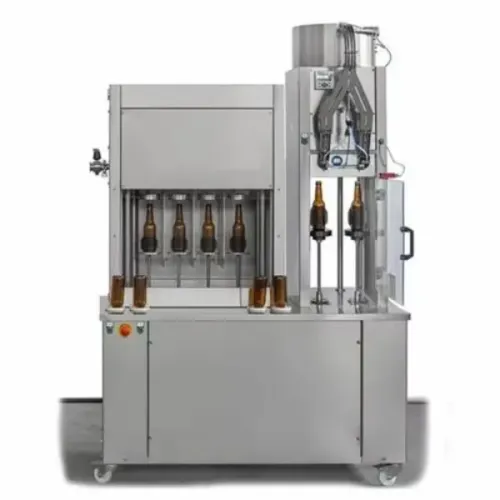
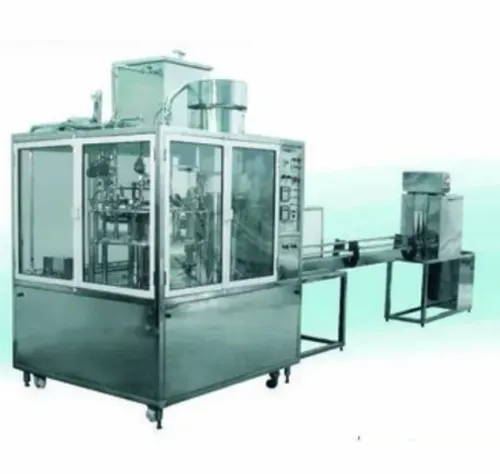
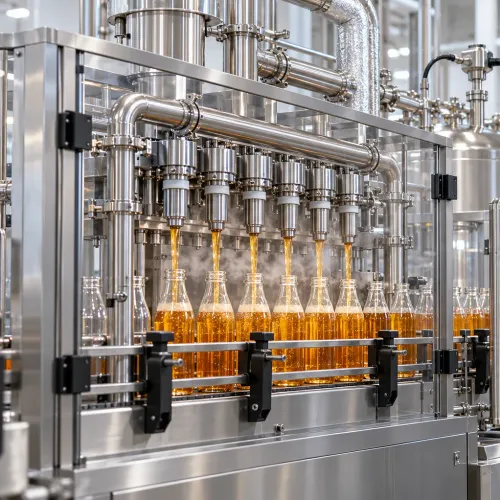
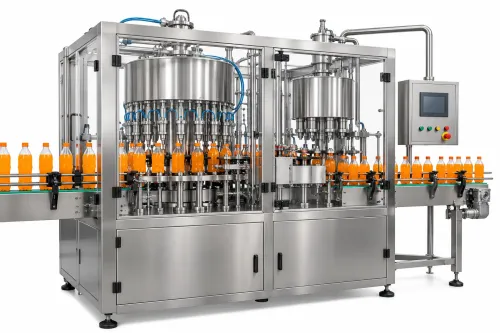
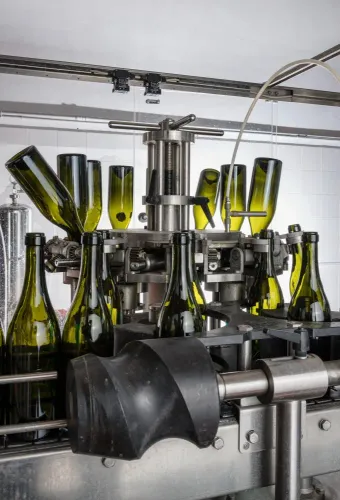
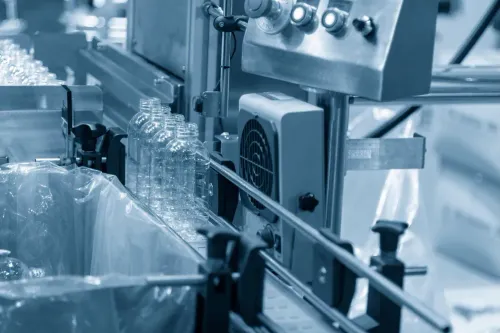
An Automatic Water Bottle Filling Machine is designed to carry out multiple stages of the bottling process with minimal manual intervention. Depending on the production setup, the machine may combine bottle rinsing, water filling, capping, and bottle transfer into one integrated system.
Unlike semi-automatic equipment, automated machines maintain continuous production while ensuring every bottle is filled accurately and handled consistently throughout the process.
These systems are widely used for:
- Packaged drinking water
- Mineral water
- RO water
- Purified water
- Alkaline water
- Flavoured drinking water
Their ability to support high-volume production makes them suitable for both growing businesses and established manufacturers.
Why More Manufacturers Are Choosing Automation
As production requirements increase, manufacturers need equipment that can operate reliably over long shifts without compromising quality. Automation addresses several common production challenges.
Improved Production Speed
Automatic systems process significantly more bottles per hour than manual or semi-automatic setups. This allows businesses to meet higher customer demand without increasing labour requirements.
Consistent Filling Accuracy
Every bottle is filled according to preset parameters, reducing variations in fill levels. This consistency helps improve product presentation while minimising wastage.
Better Hygiene Standards
Automated production reduces direct handling of bottles during the filling process. Combined with integrated rinsing systems, this supports cleaner production environments and improved product safety.
Reduced Labour Dependency
Since the machine performs most operations automatically, fewer workers are required for repetitive production tasks. Staff can instead focus on quality checks and machine monitoring.
Lower Operational Costs
Although automation requires an initial investment, many manufacturers experience long-term savings through improved productivity, reduced wastage, and fewer production interruptions.
Key Features to Look For
Every production facility has unique requirements, so selecting the right machine involves evaluating several important features.
Look for equipment that offers:
- Stainless steel construction for durability and hygiene
- Precision filling technology
- Adjustable bottle size compatibility
- Integrated rinsing and capping functions
- User-friendly touchscreen controls
- Automatic bottle detection sensors
- Smooth conveyor integration
- Easy maintenance access
Machines with these features generally offer greater operational flexibility and long-term reliability.
Applications Across Different Industries
While bottled drinking water remains the most common application, automatic filling machines are also used in industries such as:
- Beverage manufacturing
- Packaged mineral water production
- Food processing
- Pharmaceutical liquids
- Cosmetic liquid packaging
- Functional health drinks
The ability to handle various bottle sizes and production capacities makes automated equipment suitable for a wide range of manufacturing environments.
Common Mistakes to Avoid When Purchasing
Investing in a bottling machine is a long-term business decision. Choosing equipment based only on price can create challenges later.
Before making a purchase, avoid these common mistakes:
- Selecting a machine with insufficient production capacity.
- Ignoring future business expansion plans.
- Overlooking maintenance requirements.
- Choosing equipment without technical support availability.
- Not verifying compatibility with existing packaging lines.
- Focusing only on purchase cost rather than overall operating efficiency.
A well-planned investment helps minimise downtime and supports smoother production for years to come.
How Automation Supports Business Growth
Manufacturers across Nashik and other industrial regions of Maharashtra are increasingly modernising their production facilities with automated bottling solutions. Growing consumer demand for hygienically packaged drinking water has encouraged businesses to adopt equipment that improves consistency while supporting higher production volumes.
Automation also makes it easier to maintain quality standards, optimise production schedules, and reduce operational inefficiencies. These advantages become especially important as businesses expand into larger regional or national markets.
Choosing a Reliable Manufacturing Partner
Selecting the right machine is only part of the investment. Working with an experienced equipment manufacturer can help ensure that the bottling line is configured to match production goals, bottle specifications, and future capacity requirements.
Many businesses evaluate machine design, customisation options, after-sales service, and technical assistance before making their decision. Companies such as Shantanu Bottling Machine Pvt Ltd, based in Nashik, manufacture automatic bottling equipment for different production requirements, helping beverage producers build efficient and dependable packaging lines. Reviewing equipment specifications carefully and discussing operational needs with the manufacturer can help businesses invest in a solution that delivers long-term performance and consistent production results.
Keywords