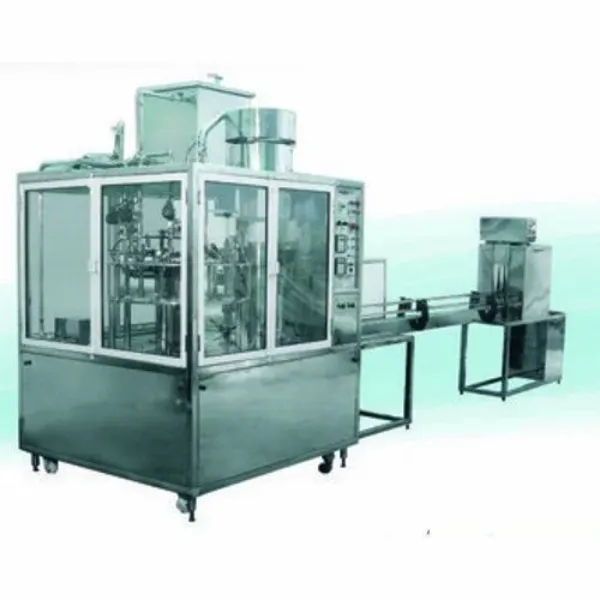
Maintaining consistent product quality starts long before a bottle reaches the filling station. One of the most important yet often overlooked stages in the bottling process is rinsing. Dust particles, packaging residue, and contaminants can affect product quality if bottles are not properly cleaned before filling. This is why an Automatic Rinsing Filling Machine has become an essential part of modern beverage and liquid packaging lines.
Whether you manufacture packaged drinking water, juices, edible oils, dairy products, or other liquid products, choosing the right rinsing and filling system helps improve production efficiency while maintaining hygiene standards.
What Is an Automatic Rinsing Filling Machine?
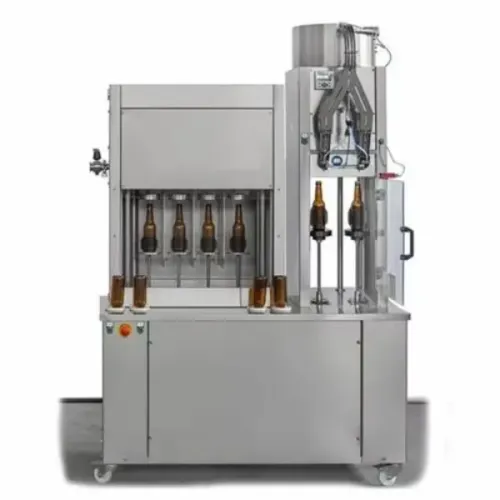
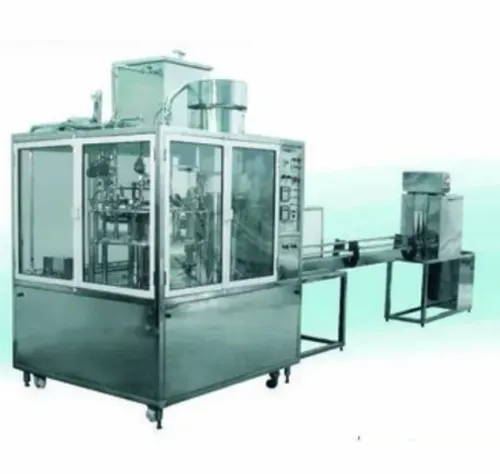
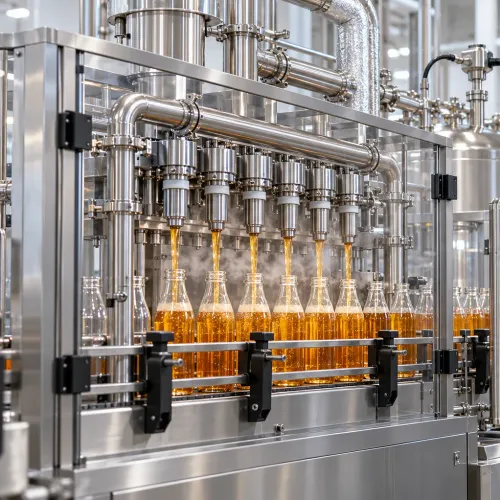
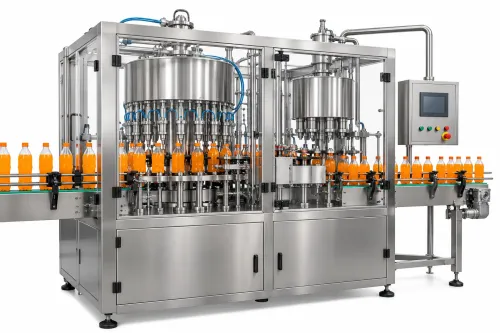
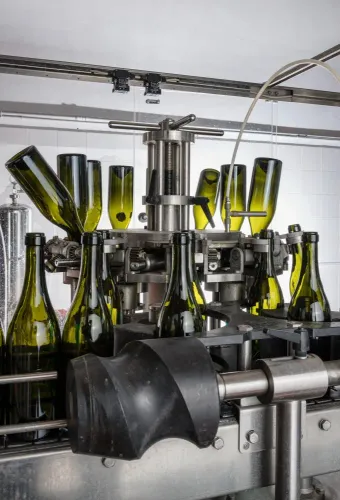
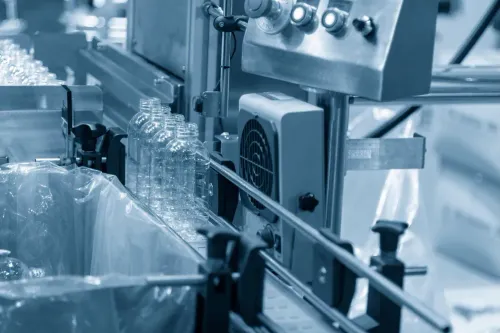
An Automatic Rinsing Filling Machine is an integrated system that performs multiple operations in sequence. It first rinses empty bottles, fills them with the desired liquid, and prepares them for the capping stage. The entire process takes place automatically, reducing manual intervention and ensuring consistency across every production cycle.
These machines are commonly used in industries that require high levels of cleanliness, including:
- Packaged drinking water
- Carbonated beverages
- Fruit juices
- Flavoured drinks
- Dairy beverages
- Edible oils
- Pharmaceutical liquids
- Personal care products
By automating bottle preparation, manufacturers can improve production speed while maintaining product safety.
Why Bottle Rinsing Matters
Many manufacturers focus primarily on filling accuracy, but bottle cleanliness is equally important.
Even new bottles can contain:
- Dust accumulated during storage
- Plastic particles from manufacturing
- Airborne contaminants
- Packaging residue
- Moisture collected during transportation
If these impurities remain inside the bottle, they may affect product quality, shelf life, and consumer confidence.
An automatic rinsing system helps remove these unwanted particles before the filling process begins.
Key Advantages of an Automatic Rinsing Filling Machine
Better Hygiene Standards
Automated rinsing ensures every bottle undergoes the same cleaning process. This minimizes the chances of contamination and supports consistent production quality.
Faster Production
Manual bottle cleaning slows down production significantly. Automated systems clean hundreds or even thousands of bottles every hour without interrupting the production flow.
Consistent Filling Process
Since bottles move directly from rinsing to filling, there is less opportunity for contamination between stages.
Reduced Labour Requirements
Automation decreases dependence on manual bottle handling, allowing operators to focus on monitoring machine performance and quality control.
Lower Product Wastage
Proper bottle preparation reduces rejected products caused by contamination, helping manufacturers save both materials and production costs.
Important Features to Consider
When evaluating an Automatic Rinsing Filling Machine, manufacturers should look beyond production capacity alone.
Useful features include:
- Stainless steel construction for easy cleaning
- Adjustable bottle size compatibility
- Automated bottle positioning
- Precision filling controls
- User-friendly control panels
- Low maintenance design
- Efficient water usage during rinsing
- Smooth synchronization with capping systems
Selecting the right configuration depends on production volume, bottle type, and the nature of the liquid being filled.
Industries That Benefit Most
Although these machines are widely associated with bottled water production, they are valuable across many industries.
Examples include:
- Mineral water plants
- Beverage manufacturing units
- Soft drink production
- Juice processing facilities
- Dairy beverage companies
- Distilled water plants
- Food processing industries
- Cosmetic liquid manufacturers
As production volumes increase, automation becomes increasingly important for maintaining efficiency and consistency.
Why Automation Is Becoming the Industry Standard
Manufacturing businesses across Nashik and other industrial regions of Maharashtra are investing in automated bottling equipment to improve productivity and meet growing market demand. As customer expectations for product quality continue to rise, automated rinsing and filling systems help businesses maintain reliable production while reducing operational challenges.
Automation also supports better traceability, repeatability, and production planning, making it easier to scale operations without compromising quality.
Choosing the Right Equipment for Your Production Line
Before investing in a bottling machine, it is important to assess your operational requirements carefully.
Consider factors such as:
- Daily production capacity
- Bottle sizes and shapes
- Type of liquid being filled
- Available factory space
- Future production expansion
- Maintenance requirements
- Availability of technical support
- Integration with existing packaging equipment
A machine that suits today's production needs should also be capable of supporting future growth.
Manufacturers evaluating bottling automation often compare machine specifications, production efficiency, and long-term operating costs before making a decision. Companies such as Shantanu Bottling Machine Pvt Ltd, based in Nashik, design bottling equipment for various liquid packaging applications, allowing manufacturers to select systems that align with their production goals. Reviewing machine capabilities, customization options, and after-sales support can help businesses invest in equipment that delivers reliable performance for years to come.
Keywords