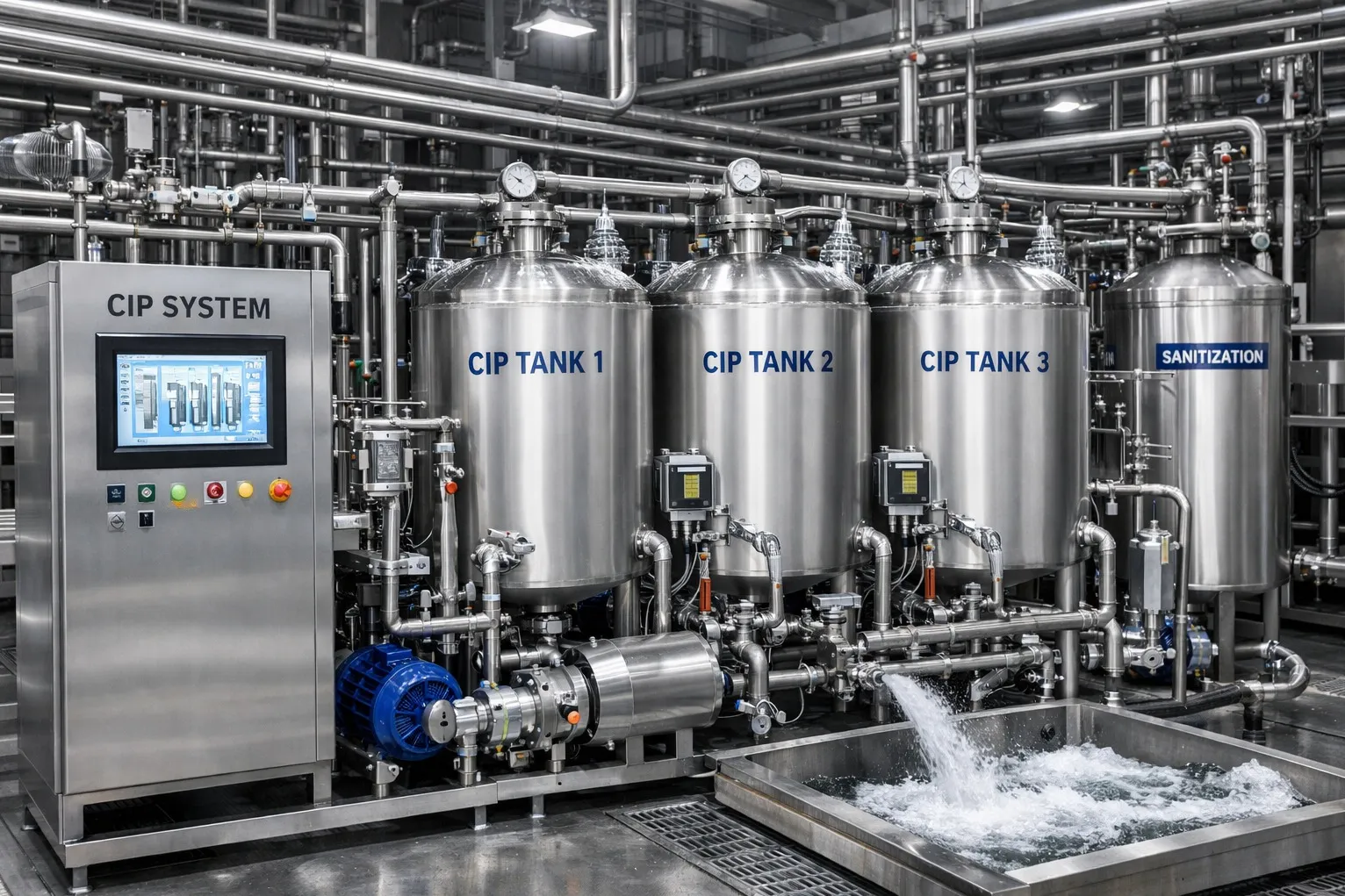
Maintaining hygiene inside beverage processing equipment has become one of the biggest operational priorities for manufacturers. Whether a company produces mineral water, juice, flavored beverages, wine, or carbonated drinks, contamination control directly affects product quality, shelf life, and customer trust.
This is one reason why CIP systems are now considered a critical part of modern beverage production lines rather than an optional addition.
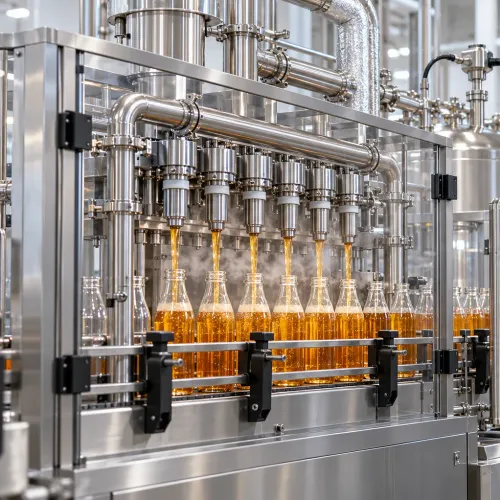
CIP, or Clean In Place, is a cleaning method designed to sanitize pipelines, tanks, filling systems, and processing equipment without dismantling the machinery. Instead of manually opening and cleaning every section of the production setup, automated cleaning solutions circulate cleaning agents through the internal system under controlled conditions.
Earlier, many beverage units depended heavily on manual cleaning processes. While manual cleaning can work for smaller operations, it often increases downtime and creates inconsistency in sanitation standards. In large-scale beverage manufacturing, these inconsistencies can become costly.
Beverage manufacturers in Nashik and other industrial regions are increasingly adopting CIP systems because production speed alone is no longer enough. Companies also need hygienic production practices that comply with food and beverage safety expectations.
One major advantage of CIP systems is reduced contamination risk. Beverage processing involves direct liquid handling, and even minor hygiene lapses can impact taste, quality, and product stability. Automated cleaning helps ensure that internal surfaces are cleaned more consistently between production cycles.
Another important benefit is reduced downtime. Manual cleaning often requires production shutdowns, dismantling of components, labor-intensive washing, and reassembly. CIP systems reduce these interruptions by allowing faster and more controlled cleaning operations.
Modern beverage plants also focus heavily on water and chemical optimization. Advanced CIP systems are designed to regulate cleaning cycles efficiently, helping reduce excessive water usage and cleaning solution wastage. This improves operational sustainability while maintaining sanitation quality.
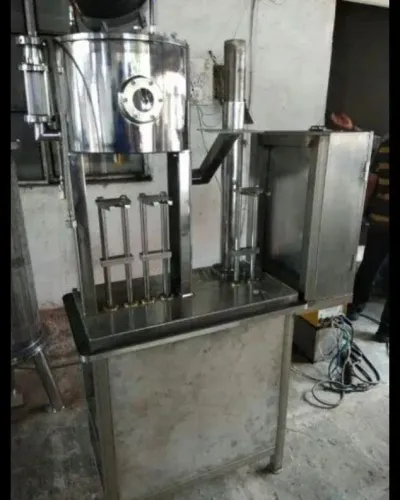
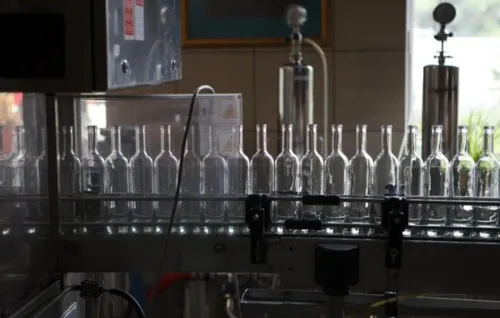
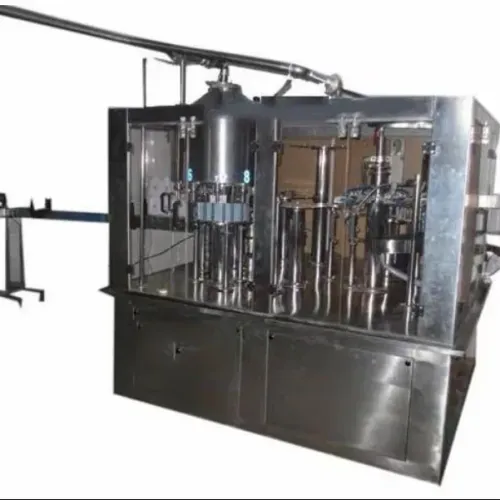
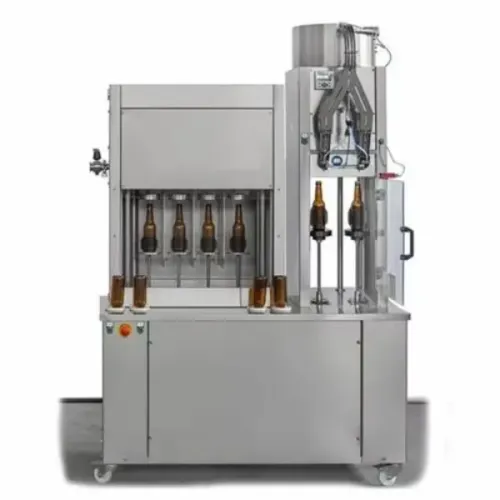
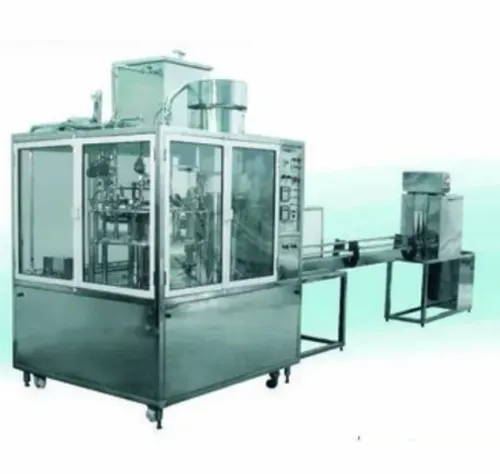
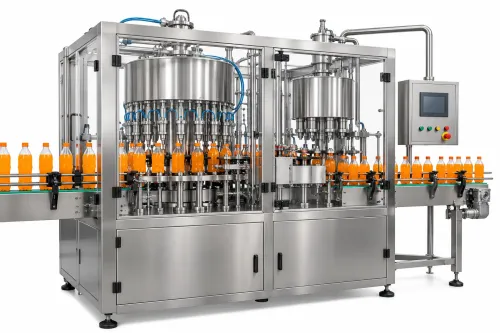
Shantanu Bottling Machine Pvt Ltd in Nashik manufactures beverage processing and filling systems integrated with CIP technology for industrial beverage applications. The company provides solutions designed to support hygienic and efficient production environments across water, juice, wine, and soft drink industries.
Businesses planning beverage plant expansion often evaluate CIP systems based on:
- Cleaning cycle automation
- Water recovery efficiency
- Chemical dosing control
- Production downtime reduction
- System compatibility
- Maintenance requirements
- Hygiene monitoring capabilities
These factors play a major role in long-term production reliability.
CIP systems are especially important for businesses handling multiple beverage variants. Flavor residue, sugar deposits, carbonation buildup, and liquid contamination can affect subsequent production batches if cleaning is not properly managed. Automated sanitation systems help maintain process consistency between product changes.
As beverage production volumes continue to increase across India, manufacturers are investing more in process automation that improves both efficiency and hygiene. Clean production environments are no longer just regulatory expectations. They are directly connected to product quality, operational stability, and brand reputation.
For businesses planning long-term growth in the beverage industry, integrating reliable CIP systems into the production line has become an important operational decision rather than simply a maintenance upgrade.
Keywords