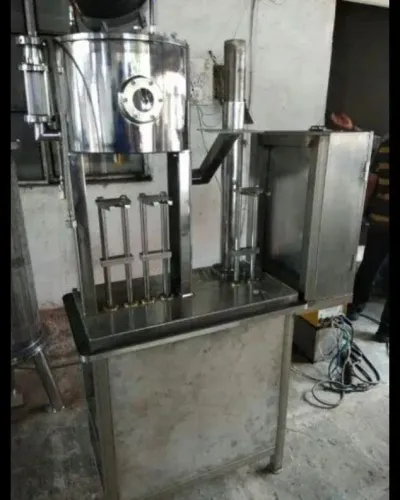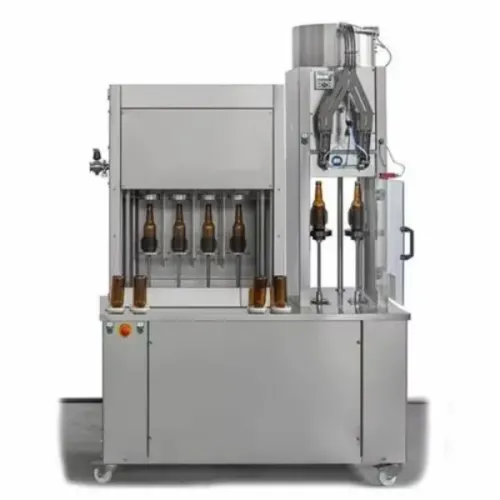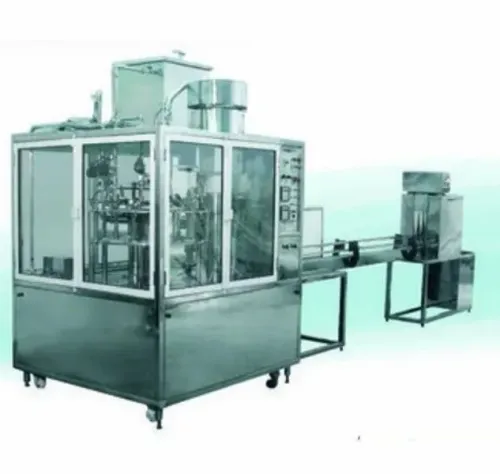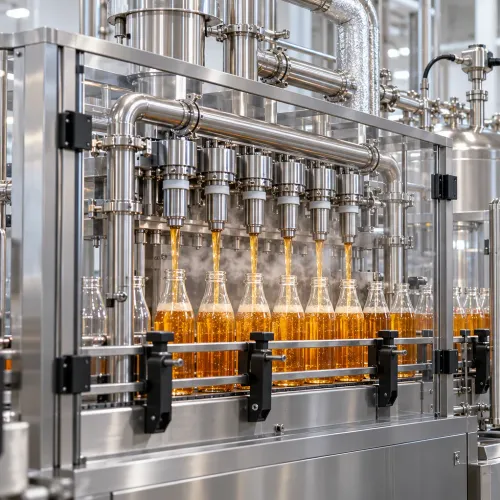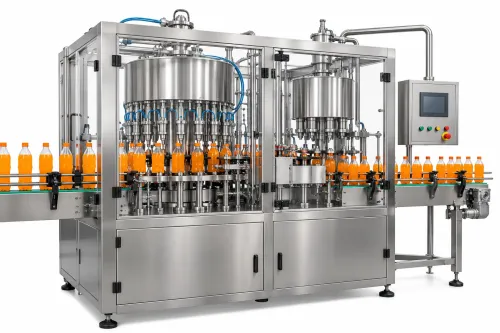
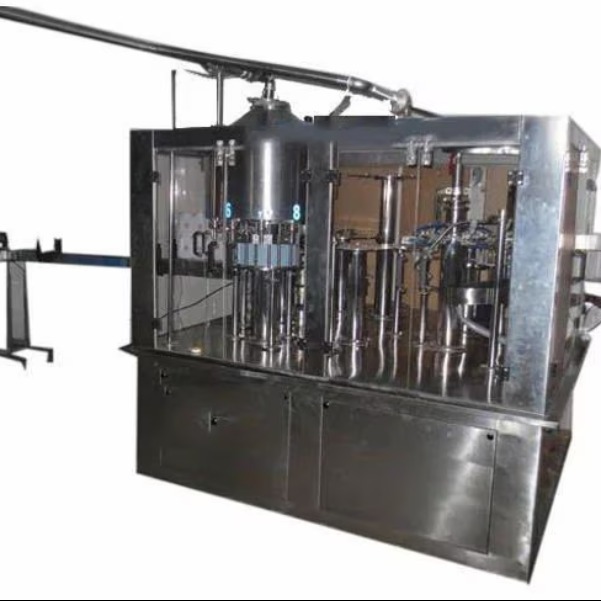
A Rotary Filling Machine is commonly considered when a bottling operation requires continuous high-volume production. Containers move through filling positions arranged around a rotating structure, allowing multiple filling operations to take place within a continuous production sequence.
For manufacturers planning larger beverage or water bottling projects, the important question is whether rotary technology fits the complete production requirement.
Determine the Required Throughput
Rotary equipment is typically associated with higher production capacities, but capacity should be selected carefully.
Calculate realistic output based on bottle size, production hours, shift pattern, expected demand, plus planned downtime.
Oversizing equipment can increase investment without creating equivalent business value if the rest of the line cannot support that output.
Verify Product Suitability
The filling principle still needs to match the liquid.
Packaged water, carbonated drinks, juices, plus other beverages can require different filling conditions.
A rotary machine's layout does not by itself determine product suitability. The internal filling technology plus associated process controls are equally important.
Review Bottle Transfer
High-speed production requires reliable container movement.
Bottle feeding, transfer points, filling, capping, discharge, plus conveyor sections need to work together smoothly.
Buyers should examine how bottles are controlled throughout the machine, particularly when lightweight PET packaging is involved.
Calculate Changeover Requirements
High-volume plants may still produce multiple bottle sizes.
Ask the supplier what components require adjustment or replacement during a format change. Understand the typical changeover procedure plus how operator experience affects setup time.
If product formats change frequently, this can materially influence usable daily production.
Evaluate Complete Line Capacity
A rotary filler should not be selected independently from upstream plus downstream machinery.
Consider the rated capacity of:
- Bottle preparation equipment
- Product processing systems
- Capping equipment
- Conveyors
- Labellers
- Coding equipment
- Packing systems
A bottleneck at any stage can reduce finished output regardless of filler speed.
Review Installation Requirements
Larger equipment can require careful plant planning.
Confirm floor space, access for installation, operator movement, maintenance clearance, electrical requirements, compressed air where applicable, drainage, plus product connections.
A layout review before manufacturing can help identify conflicts early.
Choose a Supplier Based on Technical Fit
Industrial buyers in Nashik, Maharashtra, can benefit from discussing the complete bottling project rather than requesting a rotary filler using capacity alone.
Shantanu Bottling Machine Pvt Ltd supplies bottling machinery for water plus beverage applications from Nashik. Buyers evaluating the provider should communicate their product type, bottle specifications, cap samples, desired output, plant layout, plus supporting equipment requirements.
A rotary filling machine becomes appropriate when sustained production volume, packaging standardisation, line integration, plus available infrastructure support continuous operation. Thorough planning before purchase helps ensure that high theoretical capacity translates into practical finished production.
Keywords