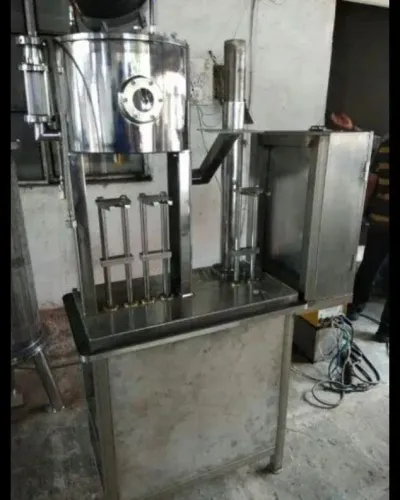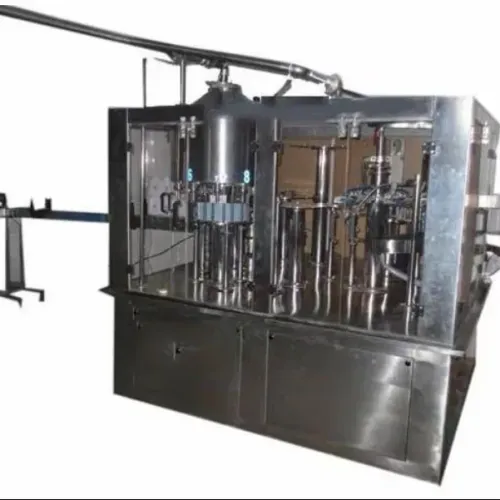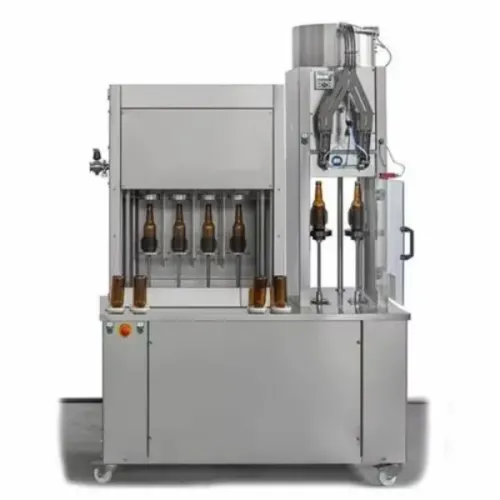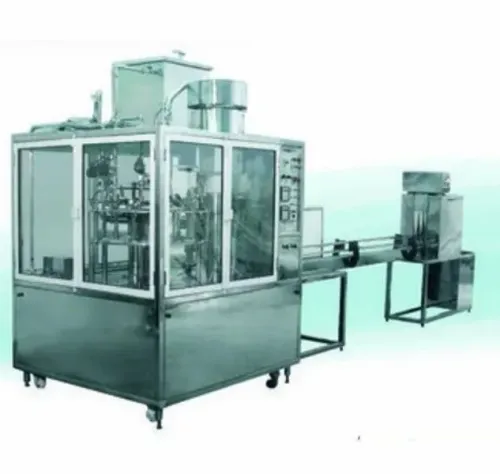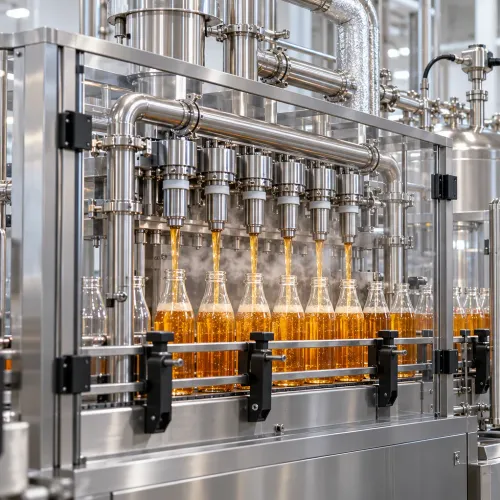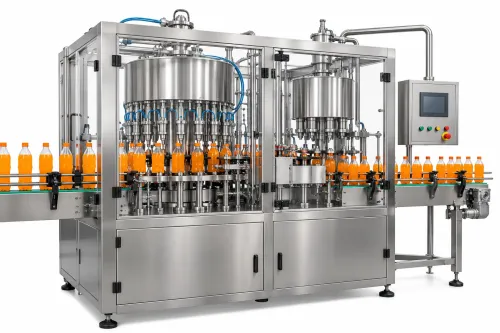
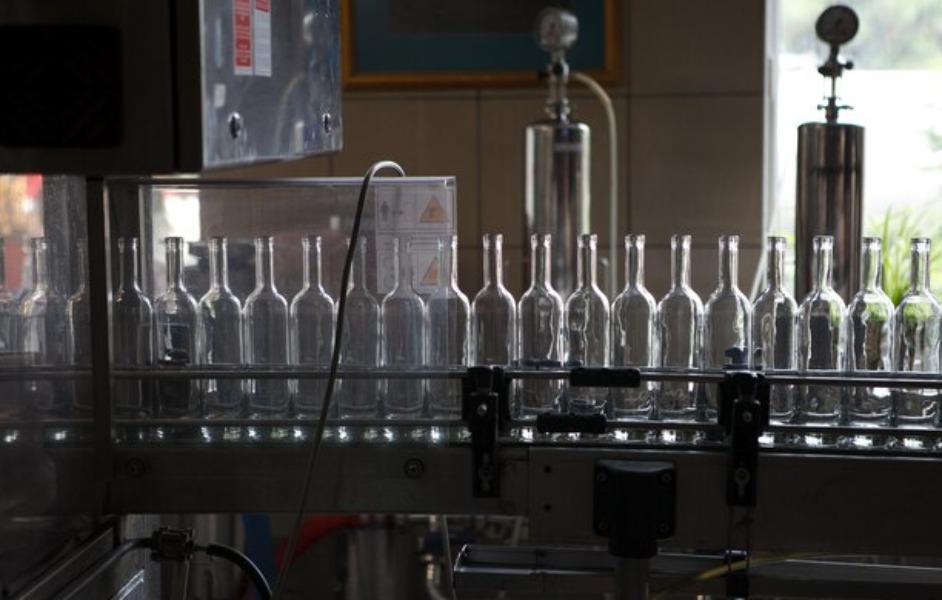
Manufacturers producing multiple liquid products or operating at moderate production volumes may consider a Linear Filling Machine because of its straightforward production arrangement plus potential flexibility. Containers generally travel along a linear path through the filling area, making this machine format suitable for various industrial filling applications depending on the filling technology used.
Before purchasing, buyers should examine whether the configuration matches their product range plus operating pattern.
Map Every Product Planned for the Machine
Begin with a complete product list.
Record viscosity, temperature, foaming tendency, required fill volume, plus production quantity for each product.
If one machine will handle several liquids, the supplier needs to know the full range before determining a suitable configuration.
Identify Every Bottle Format
Bottle variation can influence machine setup significantly.
Measure bottle height, diameter, neck dimensions, plus fill volume. Provide physical samples whenever practical.
A company expecting future packaging changes should mention them during the initial design stage rather than after the machine has been manufactured.
Evaluate Changeover Frequency
Flexibility is valuable only when changeovers can be managed efficiently.
A facility producing several short batches may change bottle formats frequently. In that environment, setup time can affect total daily output almost as much as filling speed.
Ask what adjustments are required between products plus bottle formats.
Examine Filling Nozzle Configuration
The number plus type of filling nozzles influence machine capacity, but more nozzles do not automatically mean better performance.
The product supply system, container indexing, filling principle, plus downstream handling also influence production speed.
Machine configuration should therefore be calculated around the application rather than selected using nozzle count alone.
Review Space Requirements
A linear machine may fit differently into a plant compared with rotary equipment.
Buyers should map the available floor area plus determine where bottles enter, where filled containers exit, where operators work, plus where maintenance access is needed.
Conveyor routing should also be included in the layout.
Look for Production Readiness
A business may be ready to invest when current filling capacity is consistently insufficient, product wastage needs tighter control, manual handling is limiting output, or new contracts require greater production capability.
Before purchasing, confirm that demand, packaging supply, utilities, operators, plus downstream machinery can support the proposed output.
Assess the Machinery Provider
Companies around Nashik plus Maharashtra should evaluate suppliers based on application understanding, engineering communication, manufacturing capability, testing procedures, installation planning, plus after-sales support.
Shantanu Bottling Machine Pvt Ltd can be evaluated for linear filling machinery based on these practical factors. Buyers should request a proposal built around their actual product plus packaging specifications.
A suitable linear filling machine should make the production process easier to control, not introduce unnecessary complexity. Clear product data, accurate bottle specifications, realistic output targets, plus proper line planning provide the strongest foundation for a successful machinery purchase.
Keywords