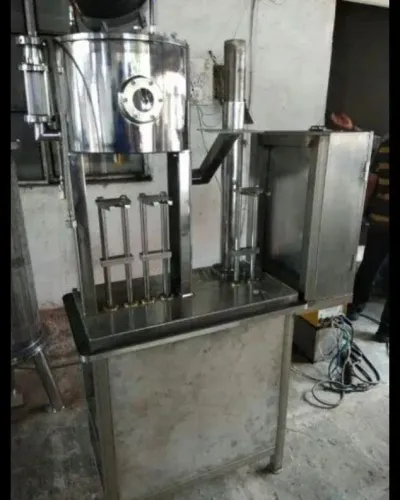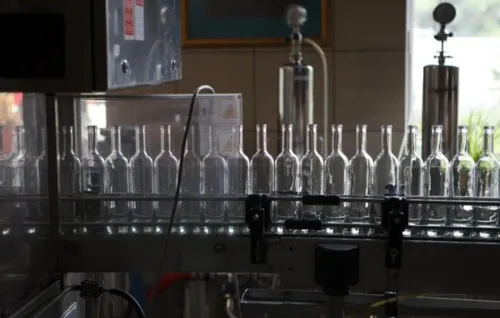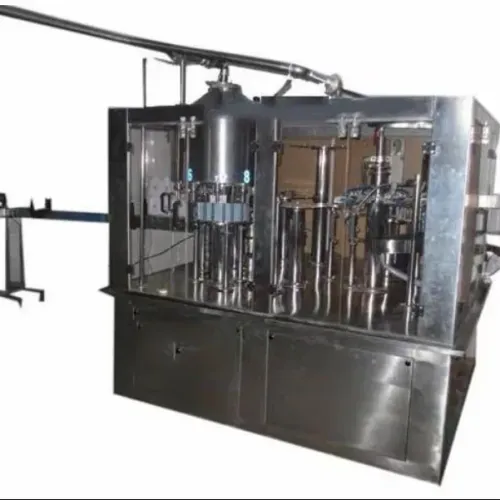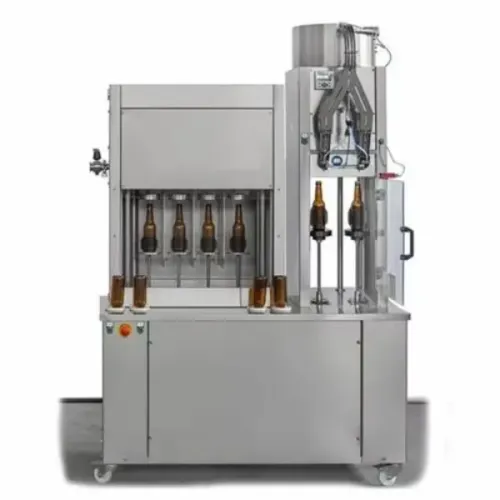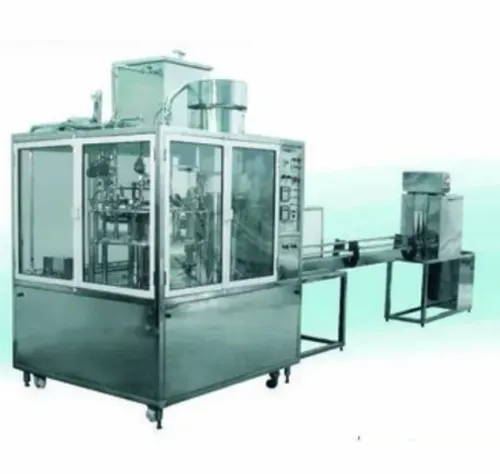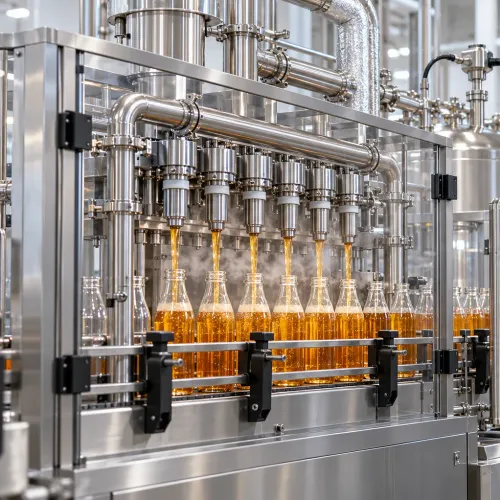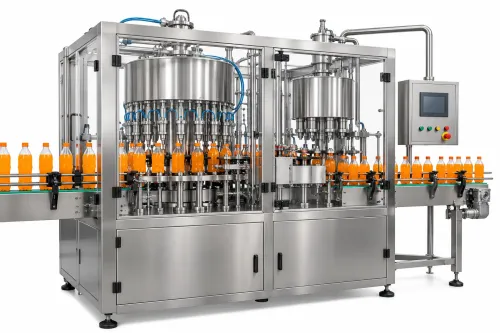
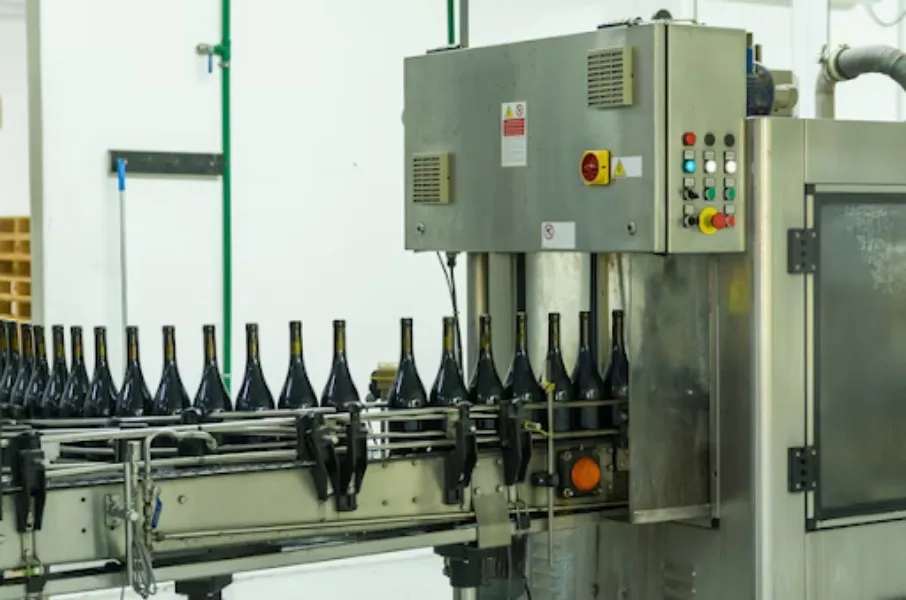
Wine production requires a very different approach compared to standard liquid bottling operations. Factors such as product sensitivity, filling precision, oxidation control, bottle handling, and hygiene management all play a critical role during packaging. Because of this, wine manufacturers usually require specialized filling systems rather than general-purpose liquid filling equipment.
Many wineries initially focus on bottle aesthetics and packaging design, but the efficiency of the filling process itself has a major impact on product consistency and operational reliability.
Wine filling machines are designed to handle delicate liquid products with controlled filling mechanisms that minimize spillage, foam formation, and unnecessary air exposure. Maintaining product stability during bottling is extremely important because even small inconsistencies can affect taste quality and shelf performance over time.
Wineries expanding production capacity often face challenges with manual or semi automatic bottling methods. Slower filling speeds, inconsistent sealing, and labor-intensive operations can create production bottlenecks, especially during seasonal demand cycles.
Manufacturers in Maharashtra are increasingly shifting toward automated wine bottling systems because modern distribution networks require better packaging consistency and higher operational efficiency. Restaurants, retail chains, and export buyers expect standardized bottle presentation and reliable packaging quality.
Another important consideration is bottle format compatibility. Wine manufacturers frequently use different bottle shapes, neck sizes, and closure systems depending on product positioning and branding. Filling machinery should support flexible bottle handling without excessive operational adjustment time.
Hygiene management is equally important in wine production environments. Clean filling conditions help reduce contamination risks and preserve product quality during large production runs. Machines integrated with stainless steel contact surfaces and CIP cleaning systems help improve sanitation control throughout the bottling process.
Shantanu Bottling Machine Pvt Ltd in Nashik manufactures wine filling machinery and beverage bottling systems designed for industrial liquid packaging applications. The company provides automated filling and packaging solutions suitable for wineries, beverage processing units, and commercial bottling operations.
Businesses evaluating wine bottling equipment generally compare:
- Filling precision
- Production speed
- Bottle compatibility
- Cleaning efficiency
- Automation level
- Product handling stability
- Maintenance accessibility
- Packaging line integration
These factors influence long-term production efficiency and packaging consistency.
Another growing priority is production scalability. Many wineries begin with moderate production volumes but later expand into larger distribution markets. Scalable filling systems allow businesses to increase output without replacing the entire production setup.
Automation also helps reduce repetitive manual handling, which can improve operational consistency during high-volume bottling schedules. Integrated conveyors, capping systems, and synchronized bottle movement create smoother workflow management throughout production.
As India’s wine industry continues developing, many manufacturers are investing in filling infrastructure that supports both production efficiency and product quality preservation. Reliable wine bottling systems are becoming increasingly important for businesses aiming to maintain packaging consistency while scaling operations more effectively.
Keywords