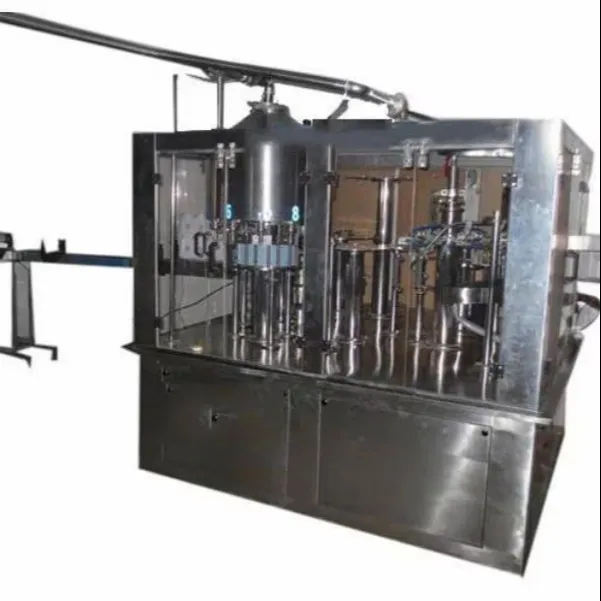
Choosing the right filling equipment is one of the most important decisions for any liquid packaging business. As production volumes increase, manufacturers often move from linear systems to a Rotary Filling Machine because of its ability to deliver higher speeds, better accuracy, and continuous operation. However, not every rotary filling machine is the same. Understanding the key factors that influence performance can help businesses invest in equipment that supports long-term growth.
Whether you manufacture bottled water, carbonated beverages, juices, edible oils, dairy products, or other liquid products, selecting the right machine requires more than comparing production capacity alone.
What Is a Rotary Filling Machine?
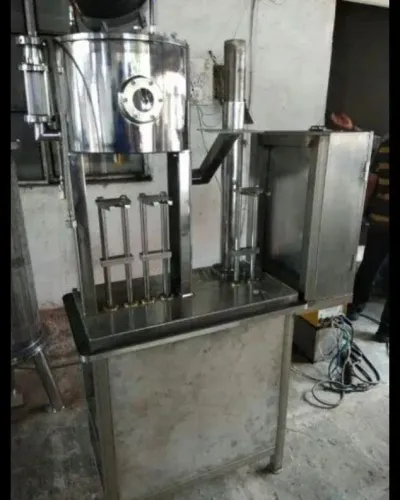
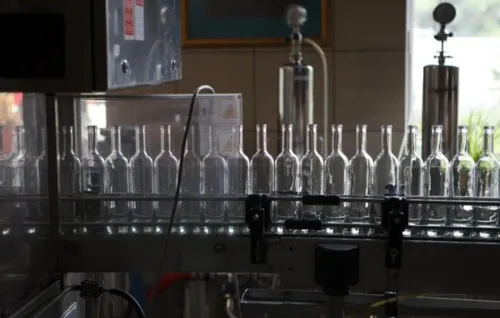
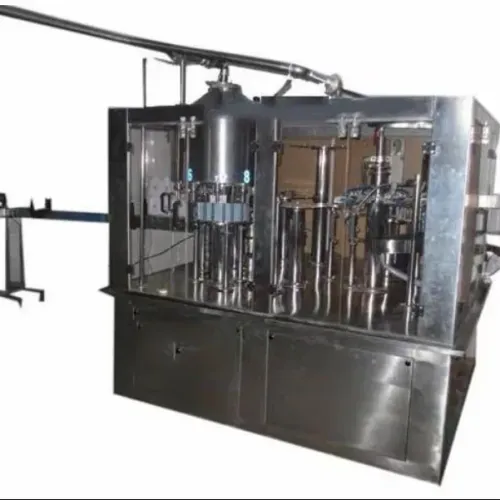
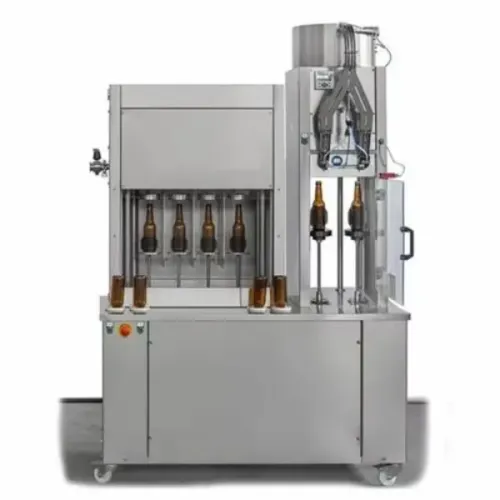
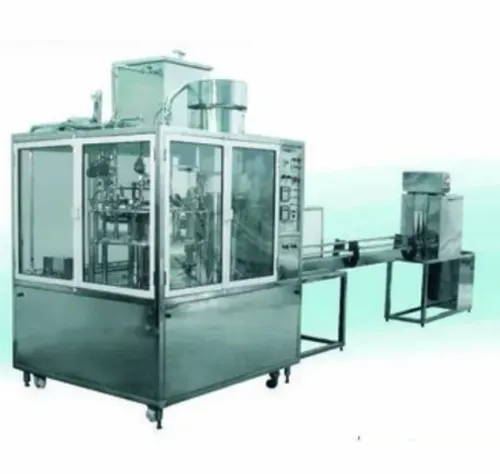
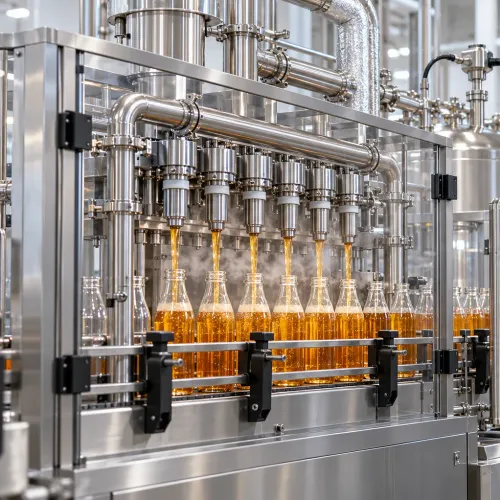
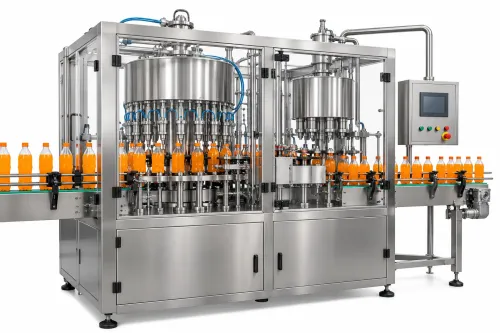
A Rotary Filling Machine is an automated bottling system where bottles move continuously on a rotating carousel through different stages of the filling process. Unlike linear machines that fill bottles in a stop-and-start sequence, rotary systems maintain a continuous flow, making them suitable for medium and high-volume production.
Many rotary filling machines are integrated with bottle rinsing and capping units, creating a compact and efficient production line.
These machines are commonly used in industries such as:
- Packaged drinking water
- Carbonated soft drinks
- Fruit juices
- Dairy beverages
- Edible oils
- Pharmaceutical liquids
- Personal care products
- Household cleaning liquids
Why Manufacturers Choose Rotary Filling Technology
Businesses looking to increase production efficiency often choose rotary systems because they offer several operational advantages.
Higher Production Output
Continuous bottle movement allows rotary machines to fill a large number of bottles per hour, making them suitable for growing manufacturing facilities.
Improved Filling Accuracy
Precision filling valves help maintain uniform fill levels across every bottle, reducing product wastage and improving packaging consistency.
Better Production Flow
Since bottles move continuously through the machine, there are fewer interruptions between rinsing, filling, and capping stages.
Reduced Manual Handling
Automation reduces operator involvement in repetitive production tasks, allowing staff to focus on quality monitoring and machine supervision.
Space-Efficient Design
Many rotary systems combine multiple operations into one compact unit, helping manufacturers optimise available factory space.
Features to Evaluate Before Buying
Selecting the right Rotary Filling Machine requires careful assessment of both current production requirements and future business plans.
Production Capacity
Estimate your expected hourly output rather than your current production alone. Choosing equipment with additional capacity allows room for business expansion.
Bottle Compatibility
Confirm that the machine can handle different bottle sizes, shapes, and neck designs if your product range is expected to grow.
Filling Technology
Different liquids require different filling methods. Water, carbonated beverages, edible oils, and viscous liquids each have unique filling requirements.
Choose equipment designed specifically for your product category.
Automation and Controls
Modern rotary filling machines include programmable control systems, touchscreen interfaces, and production monitoring features that simplify operation and improve consistency.
Maintenance Accessibility
Machines designed for easy cleaning and routine maintenance help reduce downtime while extending equipment lifespan.
Integration with Other Equipment
Ensure the rotary filling machine integrates efficiently with:
- Bottle rinsing units
- Automatic capping machines
- Labelling machines
- Bottle packaging systems
- Conveyor systems
A well-integrated production line improves overall operational efficiency.
Common Buying Mistakes
Manufacturers sometimes focus only on machine price while overlooking factors that affect long-term performance.
Common mistakes include:
- Choosing insufficient production capacity.
- Ignoring future expansion requirements.
- Purchasing equipment without reliable service support.
- Not evaluating spare parts availability.
- Selecting machines incompatible with existing production lines.
- Overlooking ease of maintenance.
Taking time to assess these factors helps avoid unnecessary production interruptions after installation.
Why Reliable Technical Support Is Important
Even high-quality machinery requires regular servicing to maintain peak performance. Working with an experienced equipment manufacturer that provides installation assistance, operator training, maintenance guidance, and spare parts availability can significantly improve long-term operational reliability.
This support becomes especially valuable as production volumes increase and downtime becomes more costly.
Investing for Long-Term Growth
Manufacturing businesses across Nashik and industrial regions throughout Maharashtra continue to modernise their bottling operations by adopting advanced rotary filling technology. As demand for packaged beverages and liquid products grows, investing in efficient automation helps manufacturers improve productivity while maintaining consistent product quality.
Before selecting equipment, many businesses compare machine engineering, filling accuracy, automation features, production flexibility, and after-sales support. Companies such as Shantanu Bottling Machine Pvt Ltd manufacture rotary filling solutions for diverse liquid packaging applications, helping manufacturers develop bottling lines that deliver dependable performance, operational efficiency, and long-term production scalability.
Keywords