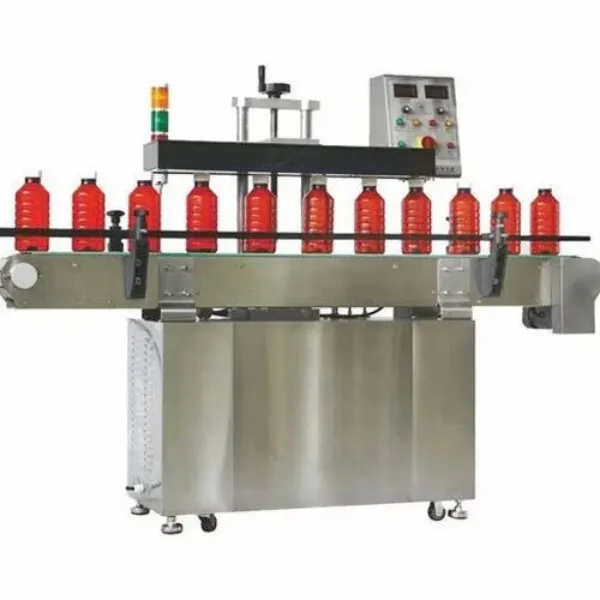
Production delays can create serious operational challenges in the beverage industry. When bottling speed fails to match market demand, businesses often experience packaging backlogs, inconsistent supply schedules, and rising labor pressure. This is why many growing beverage companies eventually consider upgrading to high speed bottle filling machines.
However, selecting high-capacity machinery involves much more than choosing faster production equipment. Manufacturers need to evaluate whether the machine aligns with their product category, packaging workflow, and long-term production goals.
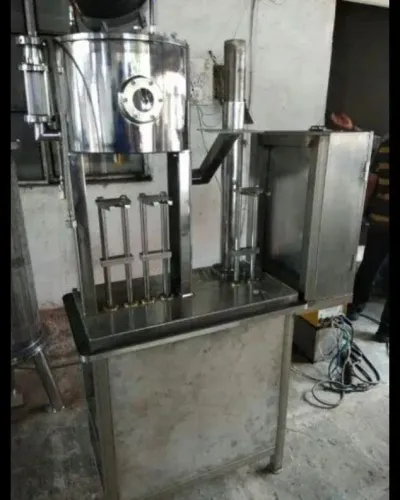
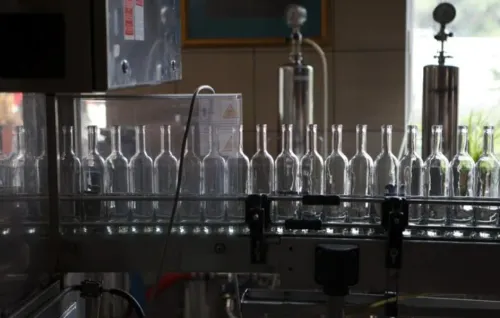
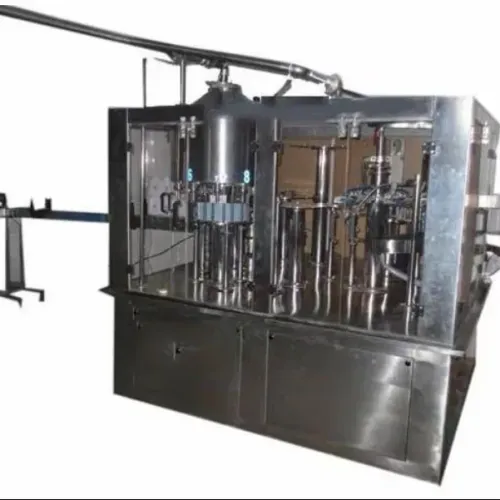
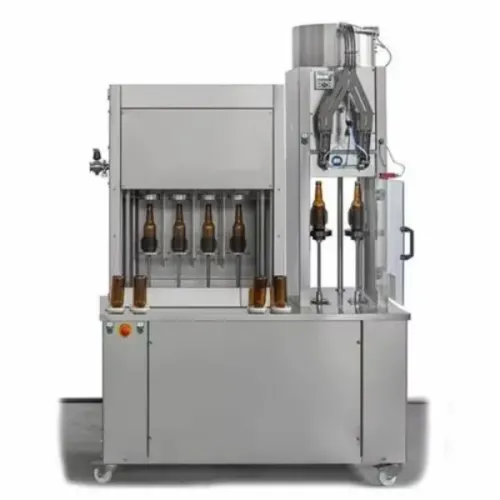
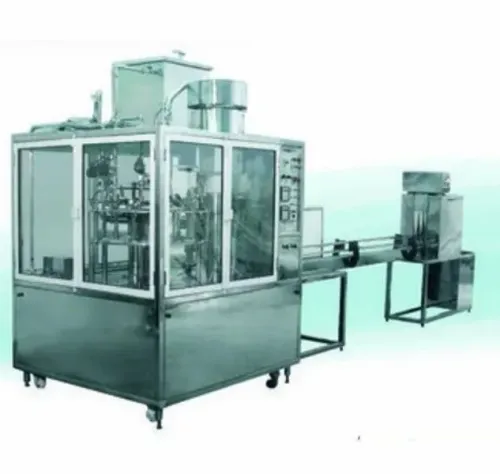
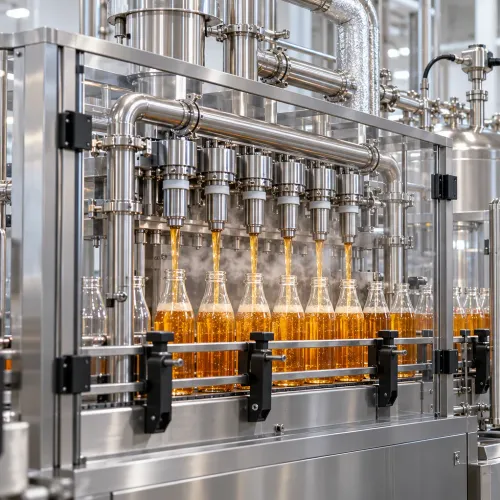
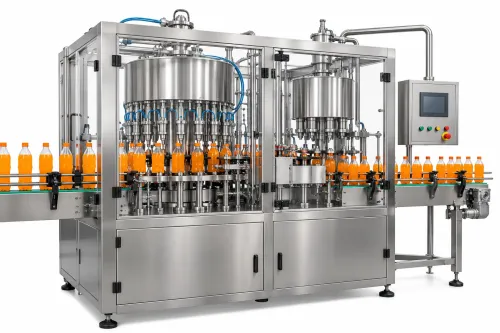
High speed bottle filling machines are commonly used in industries handling packaged drinking water, juices, soft drinks, flavored beverages, and wine products. These systems are designed to process large bottle volumes continuously while maintaining filling consistency and packaging accuracy.
One of the first things businesses should evaluate is production capacity planning. Machines are generally selected based on bottles per hour requirements. Some operations may need moderate-speed systems for regional distribution, while others supplying large retail networks may require industrial-scale output capacity.
Another important factor is bottle compatibility. Beverage manufacturers often use different bottle sizes and packaging formats depending on the market segment they serve. Filling systems should support efficient bottle handling without creating excessive changeover downtime.
Automation level also plays a major role. Modern high-speed filling systems are typically integrated with:
- Automatic rinsing units
- Bottle conveyors
- Rotary filling stations
- Capping systems
- Packaging line synchronization
- Production monitoring controls
This integration helps improve operational continuity while reducing manual intervention.
Manufacturers in Maharashtra are also paying more attention to hygienic processing standards. Faster production lines must still maintain sanitation quality. Machines integrated with stainless steel contact parts and CIP cleaning systems help improve production hygiene while reducing contamination risks.
Shantanu Bottling Machine Pvt Ltd manufactures high speed bottle filling systems and beverage packaging machinery in Nashik for industries requiring efficient liquid processing and bottling operations. The company provides filling solutions designed for scalable industrial production environments.
Another critical consideration is maintenance accessibility. Some businesses focus heavily on production speed during purchase decisions but overlook maintenance complexity later. Equipment that becomes difficult to service can increase downtime during repairs or part replacement.
Businesses should also evaluate:
- Energy efficiency
- Spare parts support
- Operator training requirements
- Machine durability
- Future production scalability
- Cleaning and sanitation efficiency
- Integration with packaging lines
These operational factors directly influence long-term productivity.
A common mistake is purchasing machinery with far higher capacity than actual production demand. Oversized systems can increase operating costs unnecessarily. On the other hand, under-capacity machinery may struggle during seasonal demand spikes.
The ideal approach is to select a filling system that supports both present operations and future expansion without creating operational imbalance.
As beverage consumption continues to rise across India, production efficiency is becoming a major competitive factor. Businesses investing in reliable, scalable, and hygienic high-speed filling systems are generally better prepared to manage growing distribution requirements and changing market expectations.
Keywords