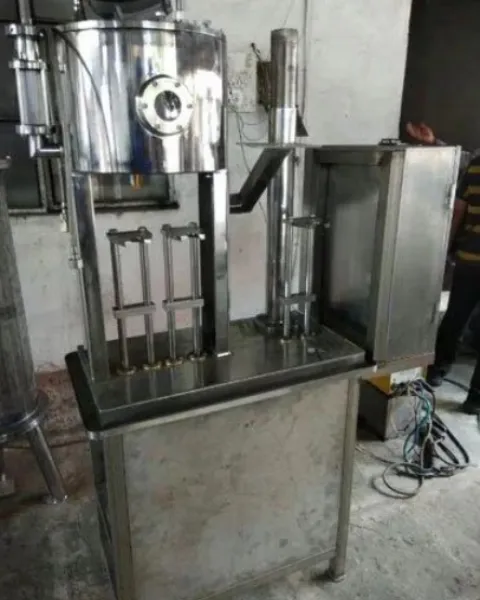
Choosing the right packaging material is one of the most important decisions for any beverage or liquid manufacturer. While the filling machine plays a significant role in production efficiency, the type of bottle being used also affects operational costs, product safety, transportation, and consumer preference. For many manufacturers, the comparison often comes down to PET Bottle Filling Machine versus glass bottle filling equipment.
The answer is not always straightforward because both options have distinct advantages depending on the product, production scale, and business objectives. Understanding these differences can help manufacturers make an informed investment.
Understanding PET and Glass Bottle Filling Systems
Although both machines perform the same basic function of accurately filling bottles with liquid products, they are designed to handle different packaging materials.
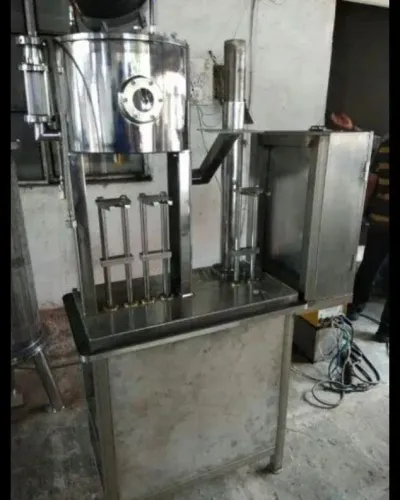
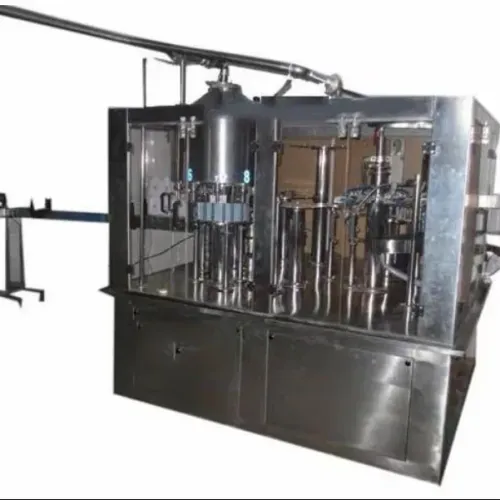
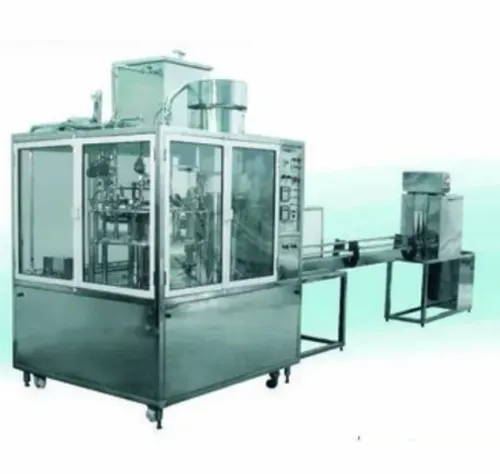
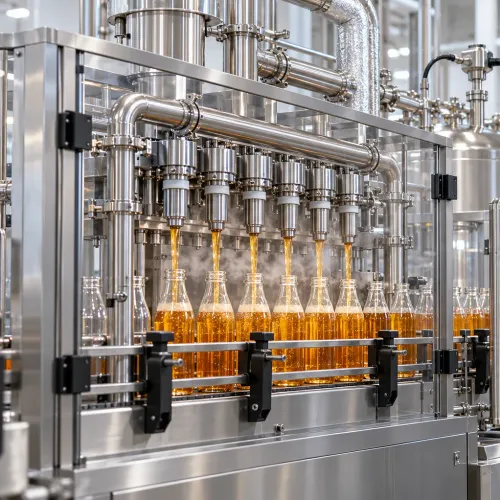
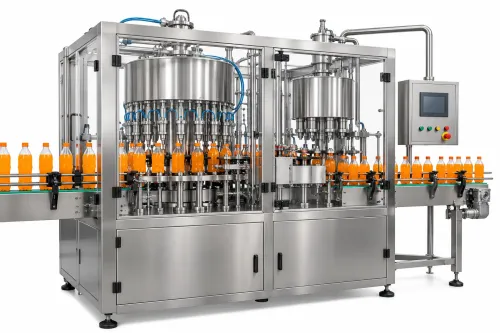
A PET Bottle Filling Machine is engineered to work with lightweight plastic bottles that are widely used for packaged drinking water, soft drinks, edible oils, juices, and household products.
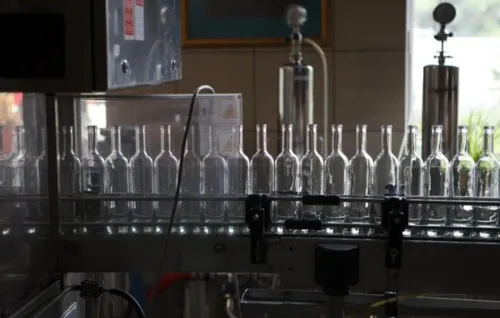
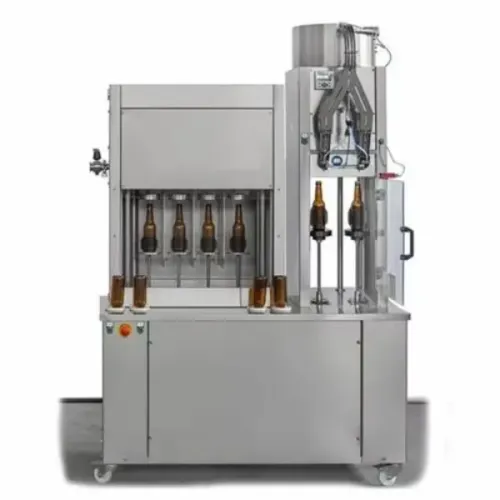
Glass bottle filling systems, on the other hand, are built for heavier containers commonly used for premium beverages, sauces, pharmaceutical products, and alcoholic drinks.
The filling technology may be similar, but the bottle handling mechanisms differ because of weight, strength, and transport requirements.
Comparing PET and Glass Bottles
Weight and Handling
PET bottles are considerably lighter than glass bottles. Their reduced weight makes transportation easier, lowers logistics costs, and allows production lines to operate at higher speeds.
Glass bottles require more careful handling due to their weight and the possibility of breakage during production or transportation.
Production Speed
PET bottle production lines generally achieve higher output because lightweight bottles move efficiently through conveyors, rinsing stations, filling units, and capping systems.
Glass bottle lines often operate at controlled speeds to minimise bottle damage and maintain safe handling.
Transportation Costs
Because PET bottles weigh less, manufacturers benefit from lower shipping expenses and improved storage efficiency.
Glass packaging increases transportation costs due to additional weight and protective packaging requirements.
Durability
PET bottles resist breakage during handling and shipping, making them suitable for large-scale commercial distribution.
Glass bottles offer excellent product protection but require careful transportation and storage.
Recycling and Sustainability
Both materials are recyclable when managed through appropriate recycling systems.
Many manufacturers today are also exploring lightweight PET designs and recycled PET (rPET) solutions to support sustainability goals while maintaining production efficiency.
Industries That Commonly Use PET Bottle Filling Machines
PET bottle filling equipment supports a wide variety of manufacturing sectors.
Common applications include:
- Packaged drinking water
- Carbonated beverages
- Fruit juices
- Energy drinks
- Dairy beverages
- Edible oils
- Household cleaning liquids
- Personal care products
The flexibility of PET packaging has made it one of the most widely adopted options across multiple industries.
Factors to Consider Before Choosing
Rather than focusing only on bottle material, manufacturers should evaluate their complete production requirements.
Consider the following:
- Daily production volume
- Product type
- Distribution network
- Packaging costs
- Consumer preferences
- Machine maintenance
- Future production expansion
- Compatibility with existing packaging equipment
These factors often have a greater impact on long-term operational efficiency than the bottle material alone.
Why PET Continues to Gain Popularity
Manufacturers across Nashik and industrial regions of Maharashtra increasingly choose PET packaging because it supports faster production, efficient transportation, and flexible packaging options. Industries producing bottled water, beverages, and consumer products often prefer PET bottle filling systems to meet growing market demand while controlling operational costs.
As production scales increase, reliable automation becomes equally important. A well-designed PET Bottle Filling Machine helps manufacturers maintain filling accuracy, improve production consistency, and reduce downtime.
When evaluating bottling equipment, many businesses compare machine design, bottle compatibility, automation features, and service support before making a decision. Companies such as Shantanu Bottling Machine Pvt Ltd manufacture filling solutions for PET bottle applications across different production capacities, enabling businesses to select equipment that aligns with their operational goals and future growth plans.
Keywords