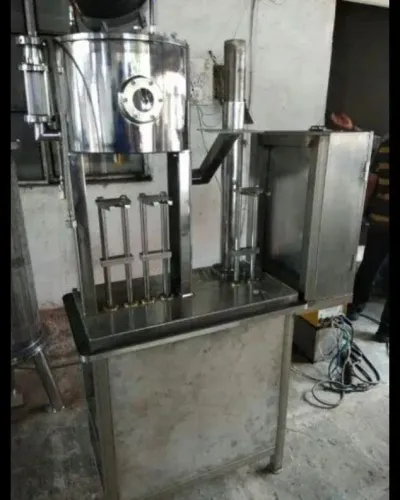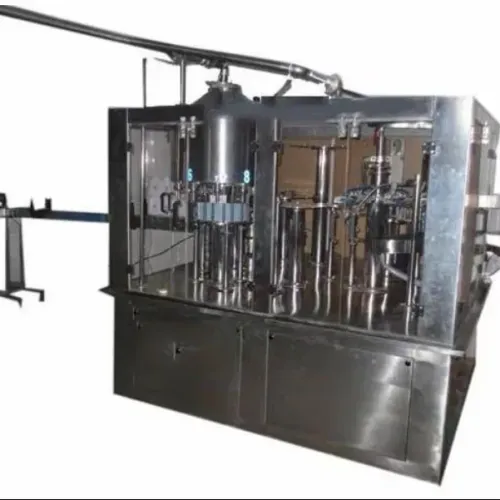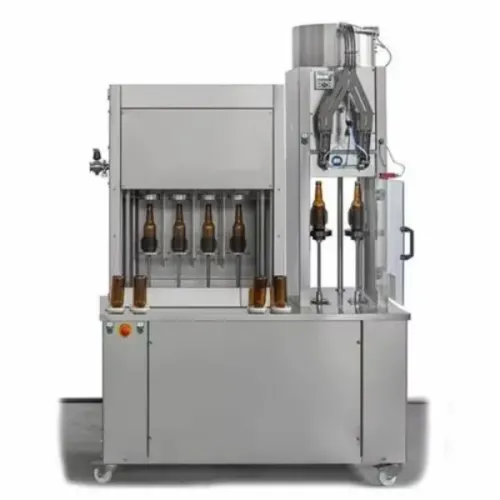
Not every beverage production unit requires extremely high-speed bottling infrastructure. Many manufacturers prioritize operational flexibility, easier maintenance, and adaptable production setups over maximum output speed. In such cases, linear filling machines often become a practical solution for growing beverage businesses.
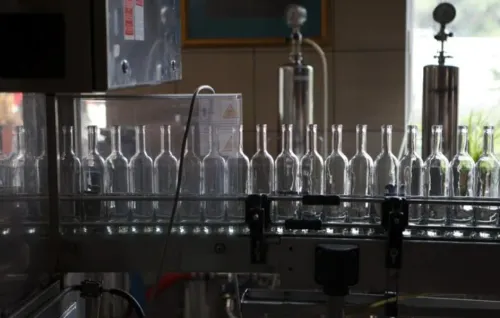
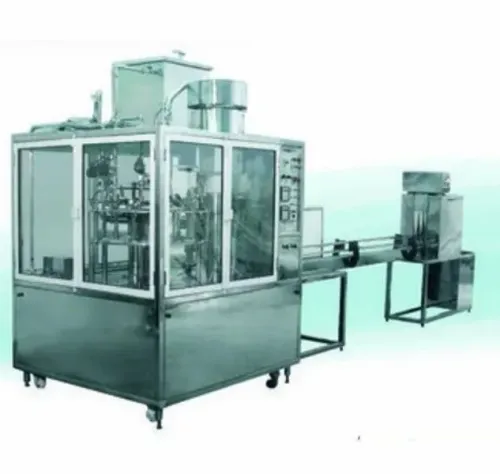
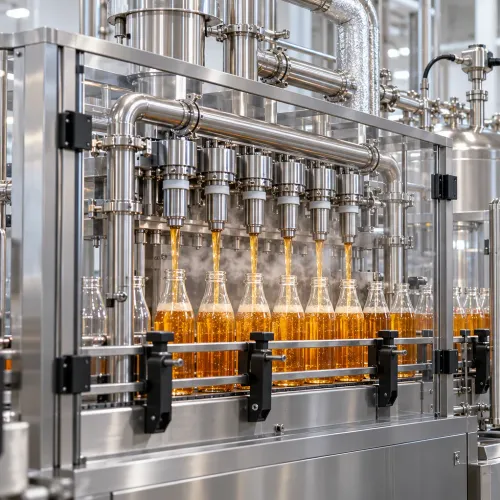
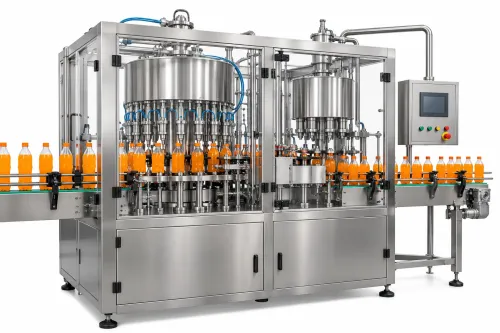
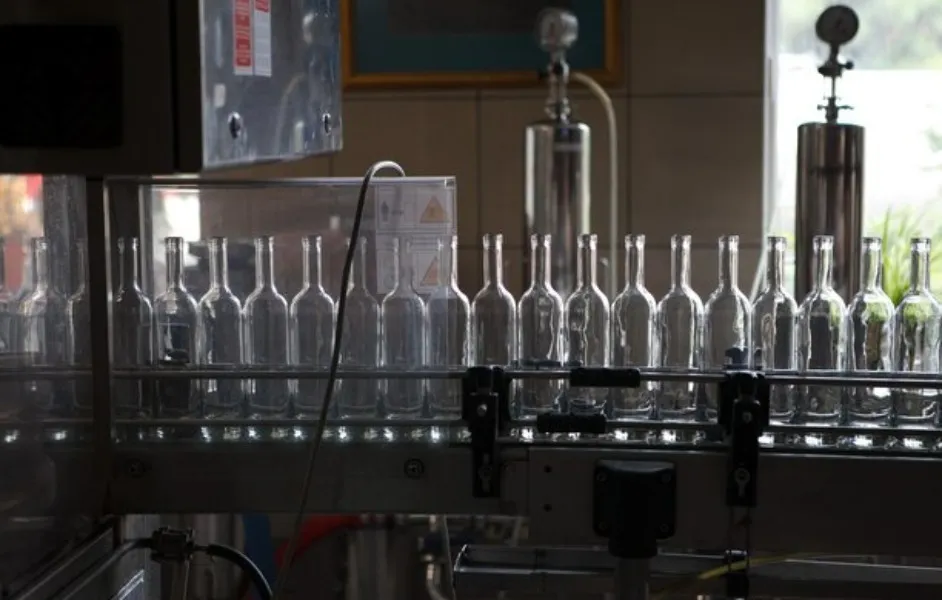
Linear filling systems are widely used across packaged drinking water plants, juice processing units, edible liquid packaging operations, and medium-scale beverage manufacturing facilities. These machines operate through a straight-line bottle movement process where bottles pass sequentially through filling stations.
One major advantage of linear filling machines is flexibility in handling different bottle sizes and packaging formats. Beverage manufacturers managing multiple product variants often prefer these systems because they allow easier operational adjustments during product changeovers.
Businesses in Maharashtra are increasingly adopting linear filling technology because many growing beverage brands need scalable solutions without immediately investing in large rotary production infrastructure.
Another reason linear systems remain popular is operational simplicity. Compared to highly complex production setups, linear machines are generally easier to monitor, maintain, and operate. This becomes especially useful for medium-capacity plants handling varied production requirements.
Linear filling machines are also suitable for businesses planning gradual expansion. Manufacturers can begin with moderate-capacity production and later upgrade operations based on future demand growth.
Shantanu Bottling Machine Pvt Ltd in Nashik manufactures linear filling machines and beverage bottling systems designed for hygienic and efficient liquid packaging operations. The company provides automated and semi automatic filling solutions suitable for water bottling, juice production, and industrial beverage processing applications.
Another important benefit of linear systems is maintenance accessibility. Since machine components are arranged in a straightforward configuration, routine servicing and operational inspections can often be managed more efficiently.
Businesses evaluating linear filling machinery generally compare:
- Production capacity
- Bottle compatibility
- Filling accuracy
- Cleaning efficiency
- Automation support
- Maintenance requirements
- Utility consumption
- Expansion flexibility
These operational considerations influence production reliability over time.
Hygiene standards also remain an important focus area. Beverage industries handling water and liquid food products require clean processing conditions throughout production. Linear filling systems integrated with stainless steel components and CIP cleaning support help improve sanitation management.
Another advantage is reduced operational complexity for businesses managing moderate production volumes. Fully synchronized high-speed systems may not always be necessary for every manufacturer, especially during early expansion stages.
As beverage markets continue evolving across India, manufacturers are increasingly choosing machinery based on operational suitability rather than simply selecting the fastest available equipment. Linear filling systems provide a balanced solution for businesses requiring flexibility, scalability, and stable packaging performance.
For many beverage companies, linear filling infrastructure offers a practical path toward improving production efficiency while maintaining manageable operational control during business growth.
Keywords