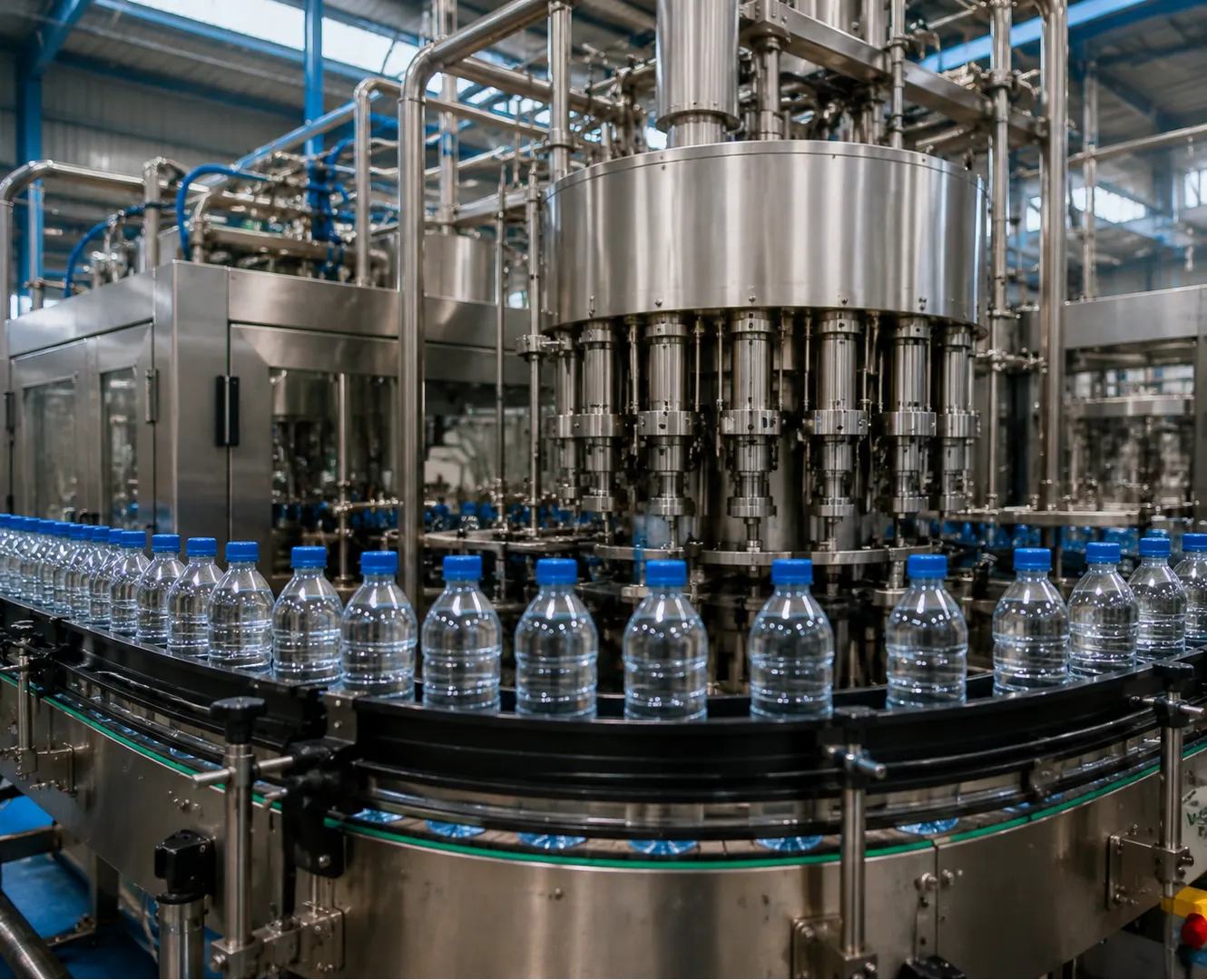
Automation is rapidly changing the way beverage manufacturing facilities operate. Earlier, many production units depended heavily on manual supervision, disconnected machinery, and labor-intensive packaging processes. Today, beverage companies are increasingly moving toward automated production environments to improve operational stability and production efficiency.
The shift is happening across multiple beverage categories, including packaged drinking water, juices, carbonated soft drinks, flavored beverages, and wine production.
One of the biggest reasons businesses invest in beverage plant automation is production consistency. Manual operations often create variations in bottle handling, filling levels, capping accuracy, and packaging coordination. Automated systems help standardize these processes while improving workflow continuity.
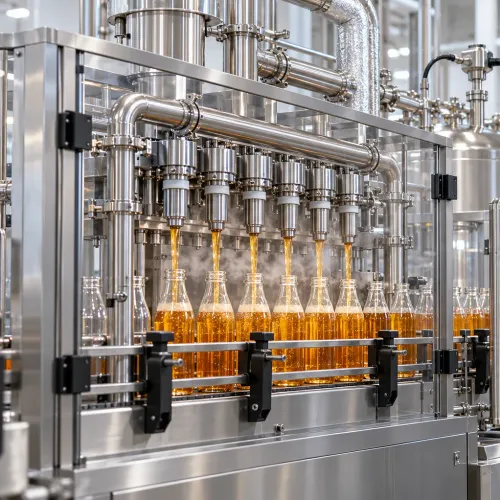
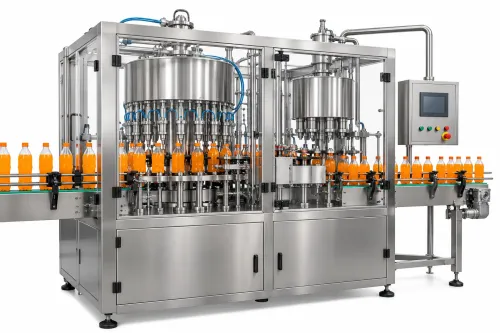
Production speed is another major factor. As market demand increases, businesses need bottling infrastructure capable of handling larger output volumes without creating operational delays. Automated filling lines can process higher bottles-per-hour capacity while reducing interruptions caused by manual dependency.
Manufacturers in Nashik and other industrial regions are also focusing more on reducing operational inefficiencies. When different sections of the production line function independently, bottlenecks often develop between rinsing, filling, capping, and packaging stages. Integrated automation helps synchronize these operations more effectively.
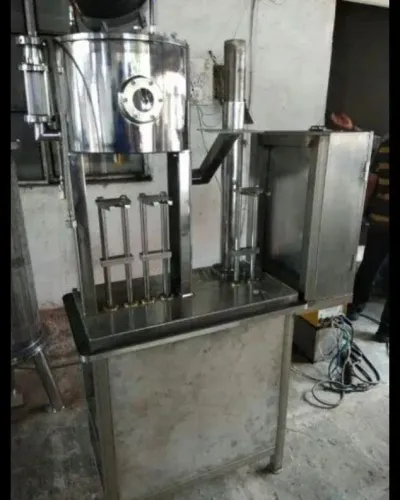
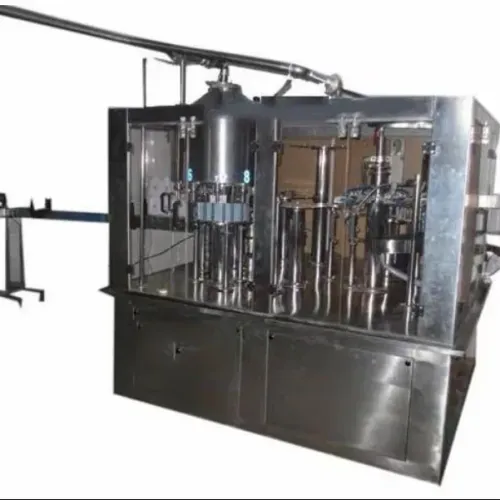
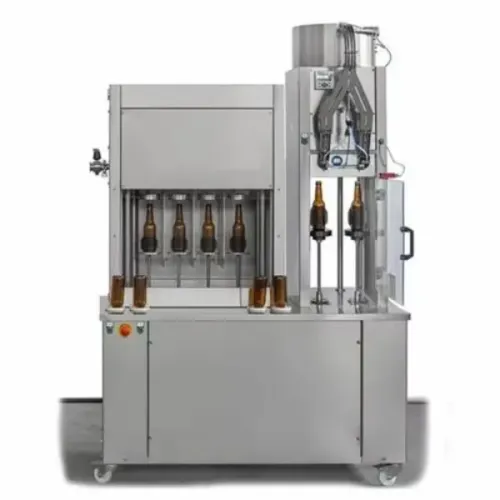
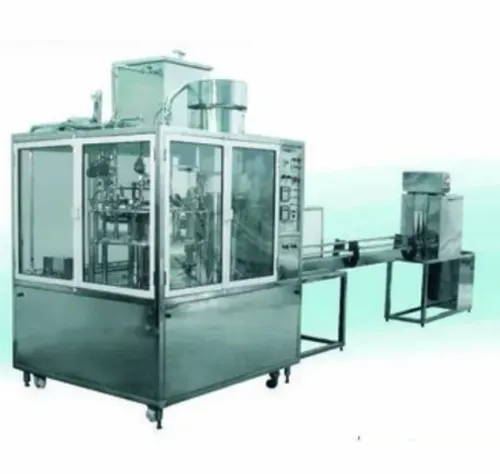
Modern beverage automation systems typically include:
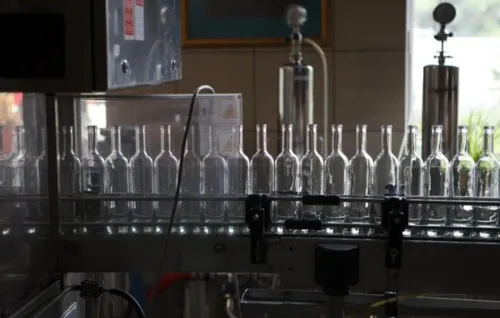
- Automatic bottle conveyors
- Rotary or linear filling systems
- Capping units
- Labeling integration
- Production monitoring controls
- CIP cleaning systems
- Packaging synchronization
These components work together to improve overall production management.
Another important advantage of automation is hygiene control. Beverage production environments require controlled sanitation standards, especially for water, juice, and carbonated drink processing. Automated cleaning systems and reduced manual handling help improve contamination control during production operations.
Shantanu Bottling Machine Pvt Ltd in Nashik manufactures beverage plant automation solutions including filling systems, bottling machinery, CIP systems, and integrated production line equipment for industrial beverage applications.
Businesses evaluating automation upgrades usually focus on:
- Production scalability
- Labor optimization
- Downtime reduction
- Filling accuracy
- Packaging consistency
- Maintenance efficiency
- Utility consumption
- Production monitoring capability
These operational improvements directly influence long-term manufacturing performance.
Another growing focus area is data-driven production monitoring. Modern automated systems allow manufacturers to track production flow, identify bottlenecks faster, and maintain better operational control during large production cycles.
Automation also helps beverage businesses adapt more easily to future expansion. As distribution networks grow, production facilities often need faster throughput and more consistent packaging standards. Automated production lines provide greater flexibility for scaling operations over time.
Many manufacturers previously viewed automation mainly as a way to increase speed. Today, the focus has expanded toward operational reliability, hygiene management, reduced wastage, and process consistency.
As beverage consumption continues rising across India, production facilities equipped with automated filling and packaging systems are generally better prepared to handle growing operational demands while maintaining stable product quality standards.
Keywords