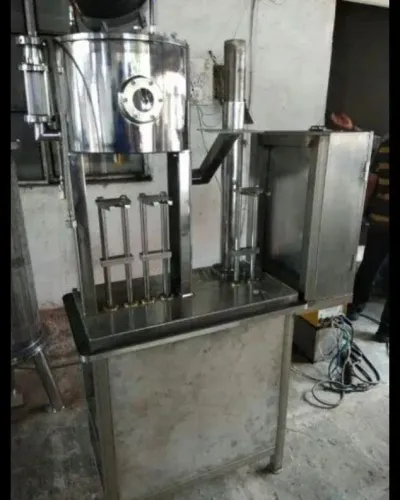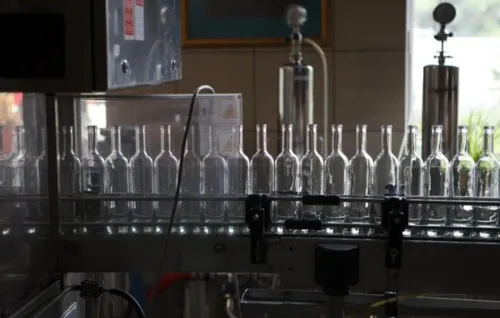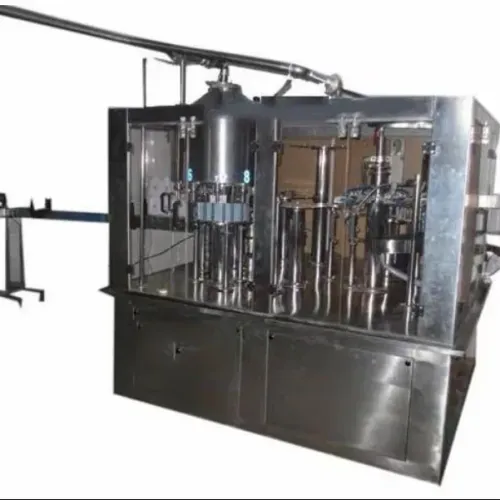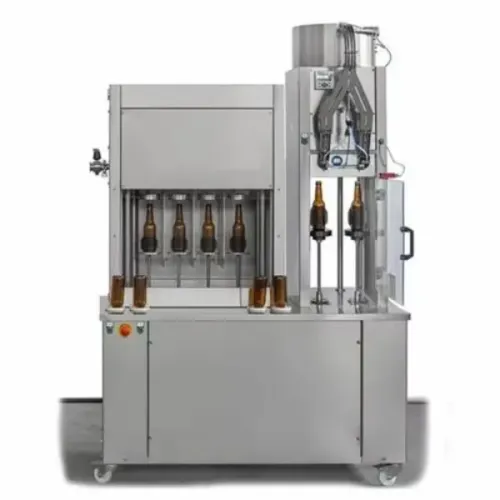
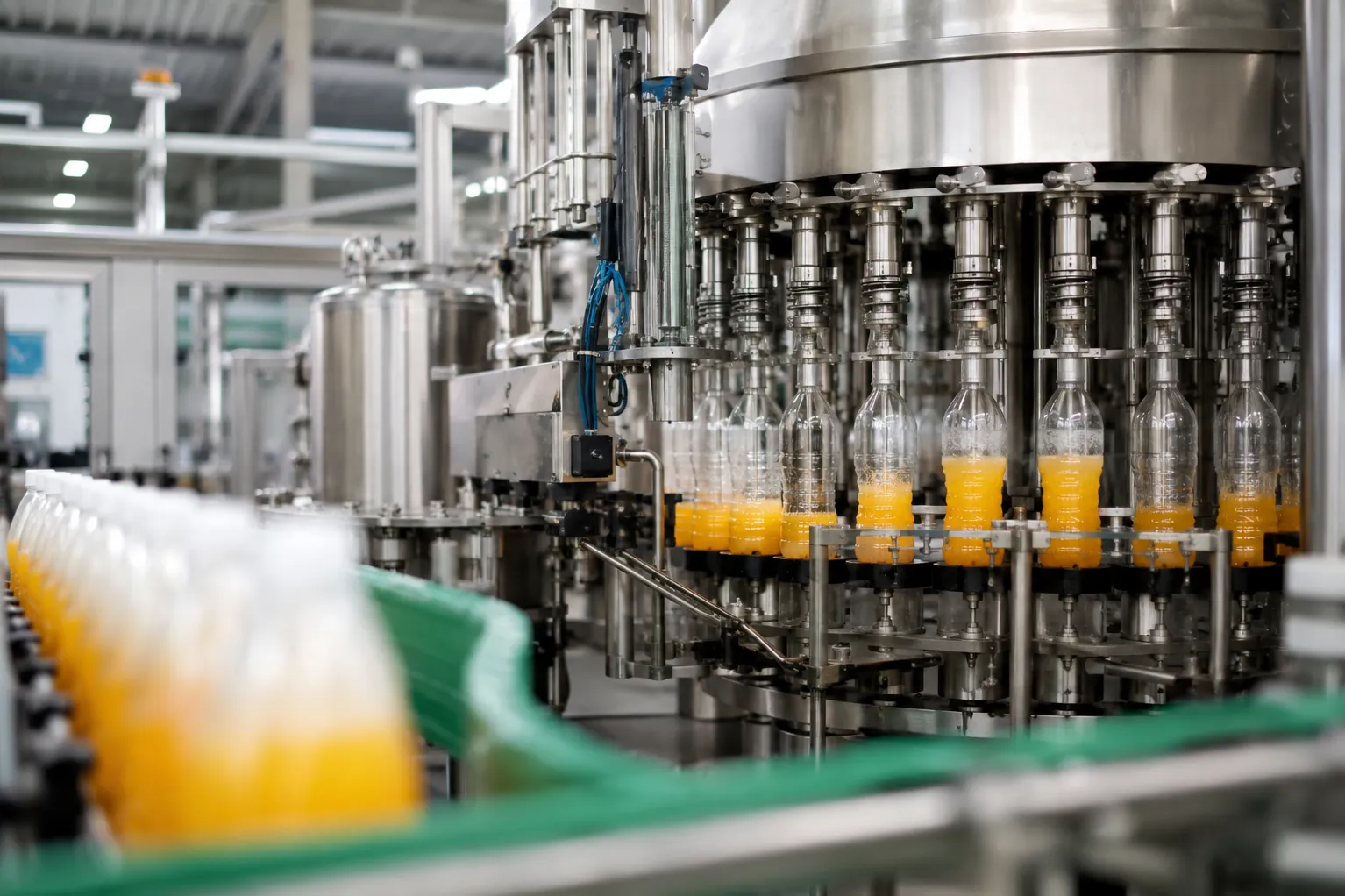
Many beverage businesses continue using aging filling machinery for years because replacing industrial equipment is a major investment. While older systems may still function operationally, they often create production inefficiencies that gradually affect overall business performance.
In many cases, manufacturers do not immediately notice how much productivity is being lost through downtime, inconsistent filling accuracy, maintenance interruptions, and slower packaging operations.
One of the most common problems with older filling machines is inconsistent production speed. Machines that were once sufficient for smaller operations often struggle to handle growing order volumes. As demand increases, slower bottling systems can create delays across the entire production cycle.
Another major issue is frequent maintenance dependency. Older filling systems may require repeated manual adjustments, part replacements, or temporary repairs to maintain regular operations. This can increase production interruptions and create uncertainty during peak demand periods.
Beverage manufacturers handling water, juice, carbonated drinks, or wine products also face hygiene challenges with outdated machinery. Older systems may not support advanced cleaning automation or modern sanitation standards. In beverage processing environments, inefficient cleaning procedures can increase contamination risks.
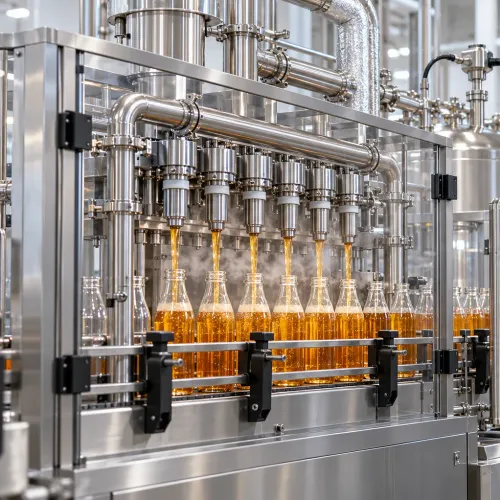
Leakage and inaccurate filling levels are also common operational concerns. Overfilled bottles create unnecessary product wastage, while underfilled packaging affects customer trust and regulatory compliance. Modern automatic filling machines are designed to improve precision and minimize these inconsistencies.
Production scalability becomes another challenge over time. Businesses often expand distribution networks and product lines, but older equipment may not support higher bottles-per-hour requirements or integrated automation systems.
Manufacturers in Nashik and other industrial regions are increasingly upgrading toward automated beverage filling lines because packaging expectations and production standards have evolved significantly in recent years.
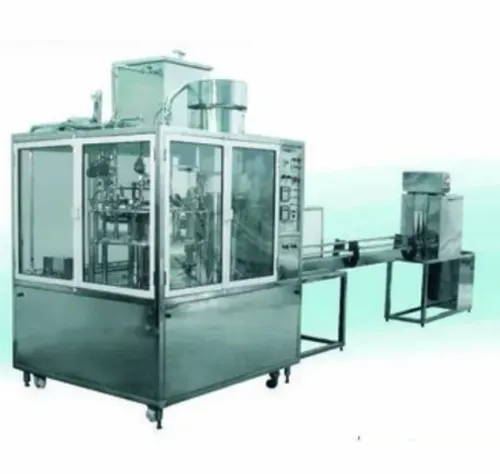
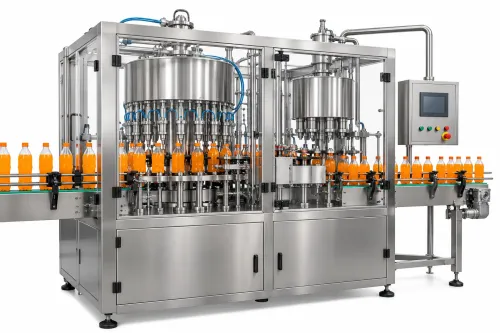
Shantanu Bottling Machine Pvt Ltd manufactures automatic beverage filling systems and bottling machinery in Nashik for industries looking to improve production efficiency, hygiene control, and operational scalability. The company provides rotary, linear, and high-speed filling solutions for different beverage processing applications.
Businesses evaluating machinery upgrades usually focus on:
- Production downtime frequency
- Maintenance costs
- Filling consistency
- Packaging accuracy
- Energy consumption
- Cleaning efficiency
- Spare parts availability
- Future expansion compatibility
These operational indicators often reveal whether older machinery is affecting long-term productivity.
Another issue with aging equipment is manual dependency. Older production setups often require more operator involvement for monitoring, bottle alignment, and troubleshooting. Automated systems reduce repetitive intervention and improve process continuity.
Packaging integration can also become difficult with outdated systems. Modern beverage plants often operate through synchronized conveyors, capping systems, labeling units, and packaging lines. Older standalone filling machines may not integrate efficiently with newer automation infrastructure.
The decision to upgrade machinery is rarely only about replacing equipment. For many beverage manufacturers, it becomes a strategic move toward improving consistency, reducing operational stress, and preparing production facilities for future demand growth.
As competition in the beverage sector continues increasing, businesses with more reliable and automated filling infrastructure are generally better positioned to maintain stable production and meet evolving market expectations.
Keywords